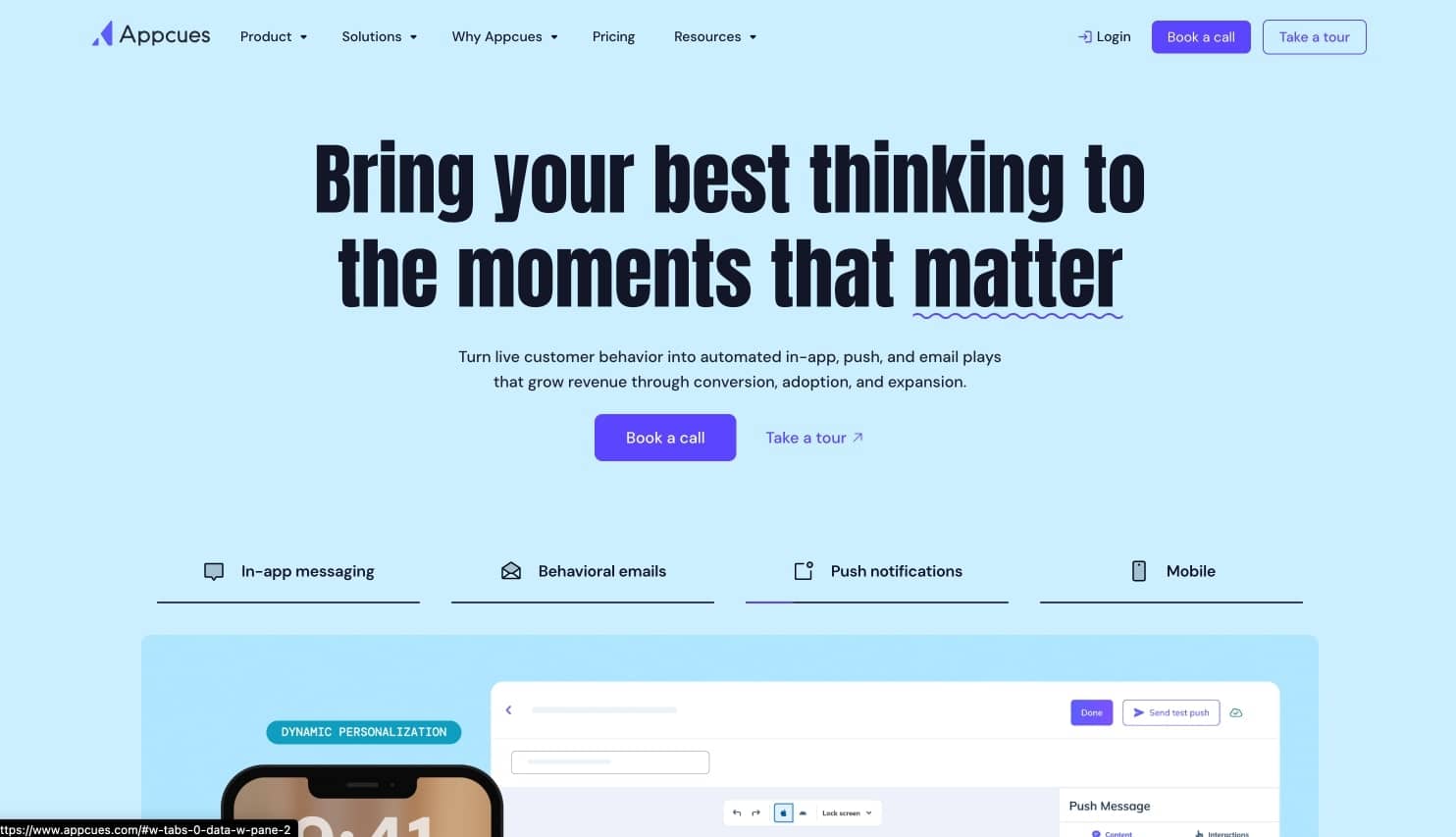







Appcues is still a credible shortlist option for B2B SaaS onboarding. The best alternative depends on why you are looking elsewhere. Userorbit is the strongest fit when you want onboarding, announcements, feedback, help content, and adoption analytics in one stack. Userpilot is the closest match for teams that want stronger product analytics. Userflow is the simplest self-serve replacement for web onboarding. Chameleon fits design-conscious teams, while Pendo and Whatfix stay more enterprise-oriented.
Appcues Grow starts at $9,000 per year. It supports up to 50,000 monthly active users and 25 published experiences. Enterprise has custom pricing and 100 published experiences. Ask for a quote at your actual usage, product count and experience count.
Research checked November 3, 2026. Public pricing signals are in USD and should be confirmed before purchase.
Official sources checked: Appcues pricing, Appcues experiences, Userpilot pricing, Userflow pricing, UserGuiding pricing, Chameleon plans, Pendo pricing, Whatfix pricing, and Userorbit pricing.
Appcues alternatives at a glance
| Alternative | Best fit | Why shortlist it | Public pricing signal |
|---|---|---|---|
| Userorbit | B2B SaaS teams consolidating onboarding and product workflows | Tours, checklists, announcements, feedback, help content, and analytics in one stack | Growth from $95/month billed annually for 5,000 MAUs |
| Userpilot | Growth-stage SaaS teams that want onboarding plus stronger analytics | More analytics depth than most onboarding-first tools | Starter $299/month for 2,000 MAUs; Growth from $849/month |
| Userflow | Teams that want the simplest self-serve onboarding buy | Clean web onboarding with transparent MAU pricing and unlimited seats | Studio $400/month billed annually for 1,000 MAUs |
| UserGuiding | Budget-conscious teams that still want surveys and resource-center coverage | Lower public entry price with a broad no-code toolkit | Starter $249/month billed annually for 2,000 MAUs |
| Chameleon | Design-conscious product teams | More control over how in-app experiences look and feel | Startup from $279 for 2,000 MTUs; Pro from $750/month |
| Pendo | Product orgs that want a broader enterprise platform | Deeper product analytics and broader governance posture | Free up to 500 MAUs; paid plans are custom |
| Whatfix | Complex software adoption and structured training programs | Strong fit for governed digital adoption, not just PLG onboarding | Quote-led; pricing uses a flat fee plus user license fees |
If you already know Appcues is too broad or too expensive for your use case, start with Userflow or UserGuiding. If you know the real job is wider than onboarding, start with Userorbit or Userpilot.
Why teams look for Appcues alternatives
Appcues still solves real onboarding problems well. Alternatives enter the picture when one of four buyer tensions becomes more important than the polished builder itself.
1. The pricing conversation arrives before the buyer is ready
At renewal, count your active users, installed products and published experiences. Ask Appcues to price the next year at that workload, including any seasonal peak.
That is not inherently bad. It does mean some teams prefer a vendor that publishes a cleaner entry point or a narrower self-serve package.
2. The real job is bigger than onboarding
Many product-led SaaS teams do not buy onboarding in isolation. They also need:
- product announcements and changelog communication
- surveys and feedback collection
- help-center or self-serve support surfaces
- product adoption analytics
- a way to keep all of that connected
If Appcues becomes one point solution inside a larger product-growth stack, buyers start comparing the total workflow rather than the builder alone.
3. The team wants clearer fit by company stage
Appcues can work for startups, growth-stage teams, and larger companies. But a lot of alternatives are more opinionated:
- Userflow for web-first teams that want speed and clarity
- UserGuiding for lower-cost onboarding plus resource-center coverage
- Userpilot for teams that want product analytics closer to onboarding
- Pendo or Whatfix for larger governance-heavy programs
That sharper fit can make shortlisting easier.
4. Buyers want fewer operational seams
Even no-code onboarding products create real operational work: segmentation, QA, analytics, experimentation, stakeholder access, and change management.
Teams look beyond Appcues when they want a platform that is easier to budget, easier to own weekly, or easier to connect with the rest of product work.
How to evaluate an Appcues alternative
Use criteria that match the buying job, not just the demo.
- Onboarding depth: flows, tours, hotspots, banners, checklists, relaunch patterns, and mobile support where needed.
- Targeting model: segmentation by lifecycle stage, role, account, and behavior.
- Analytics: whether you only need experience analytics or broader adoption visibility.
- Pricing model: clean public entry point vs quote-led process, and what makes the bill move later. Check published-experience, history, MAU, and installation limits together.
- Adjacent workflows: announcements, feedback, help content, and surveys.
- Implementation drag: how much technical setup, QA, and governance the product expects.
The strongest alternative is the one that improves activation without creating more tool sprawl than your team can absorb.
The best Appcues alternatives in 2026
1. Userorbit: for teams connecting onboarding to feedback and adoption
Userorbit is the strongest Appcues alternative for B2B SaaS teams that want onboarding to sit inside a broader product workflow instead of living as a standalone messaging layer.
Userorbit onboarding and adoption platform
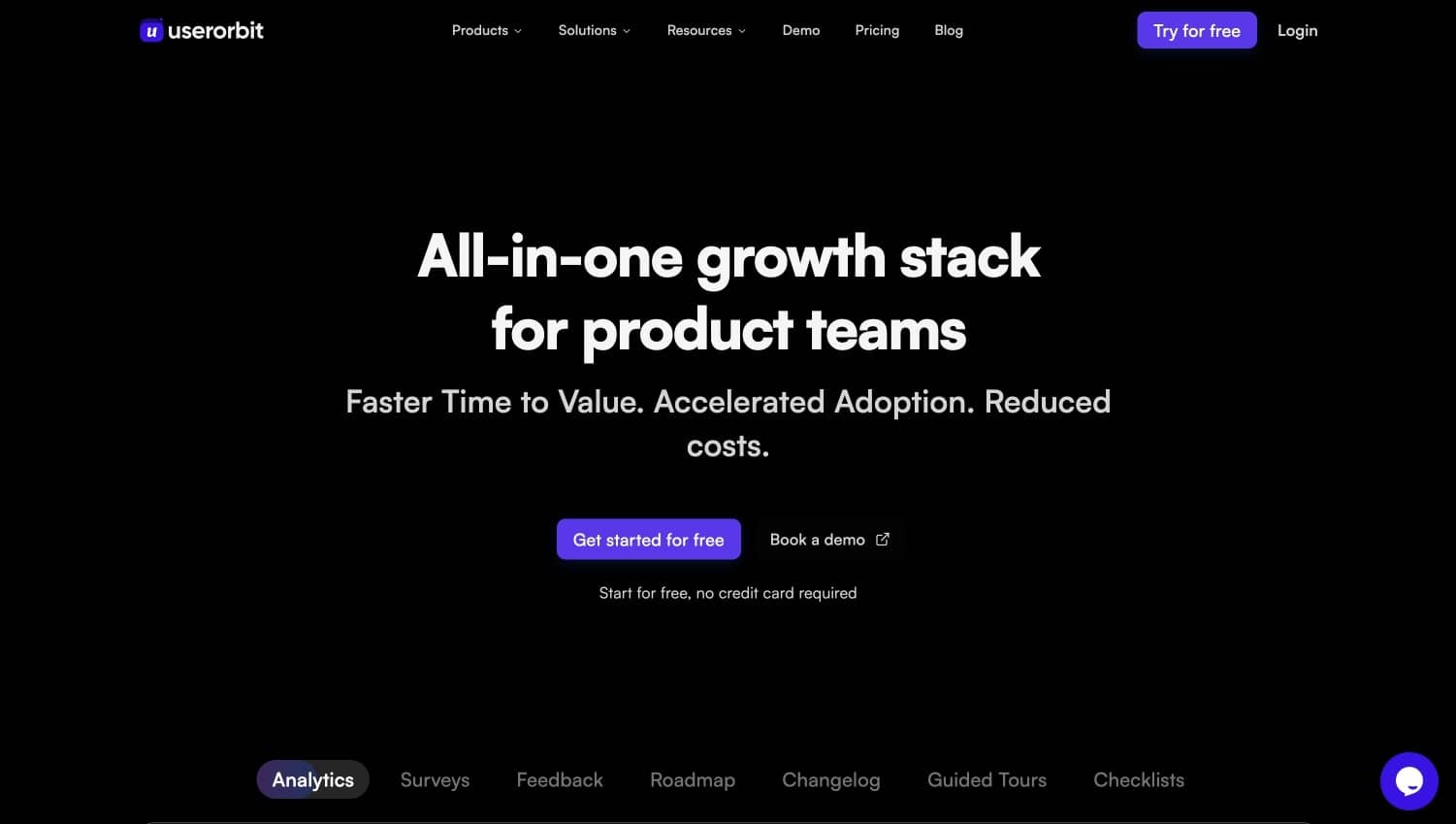
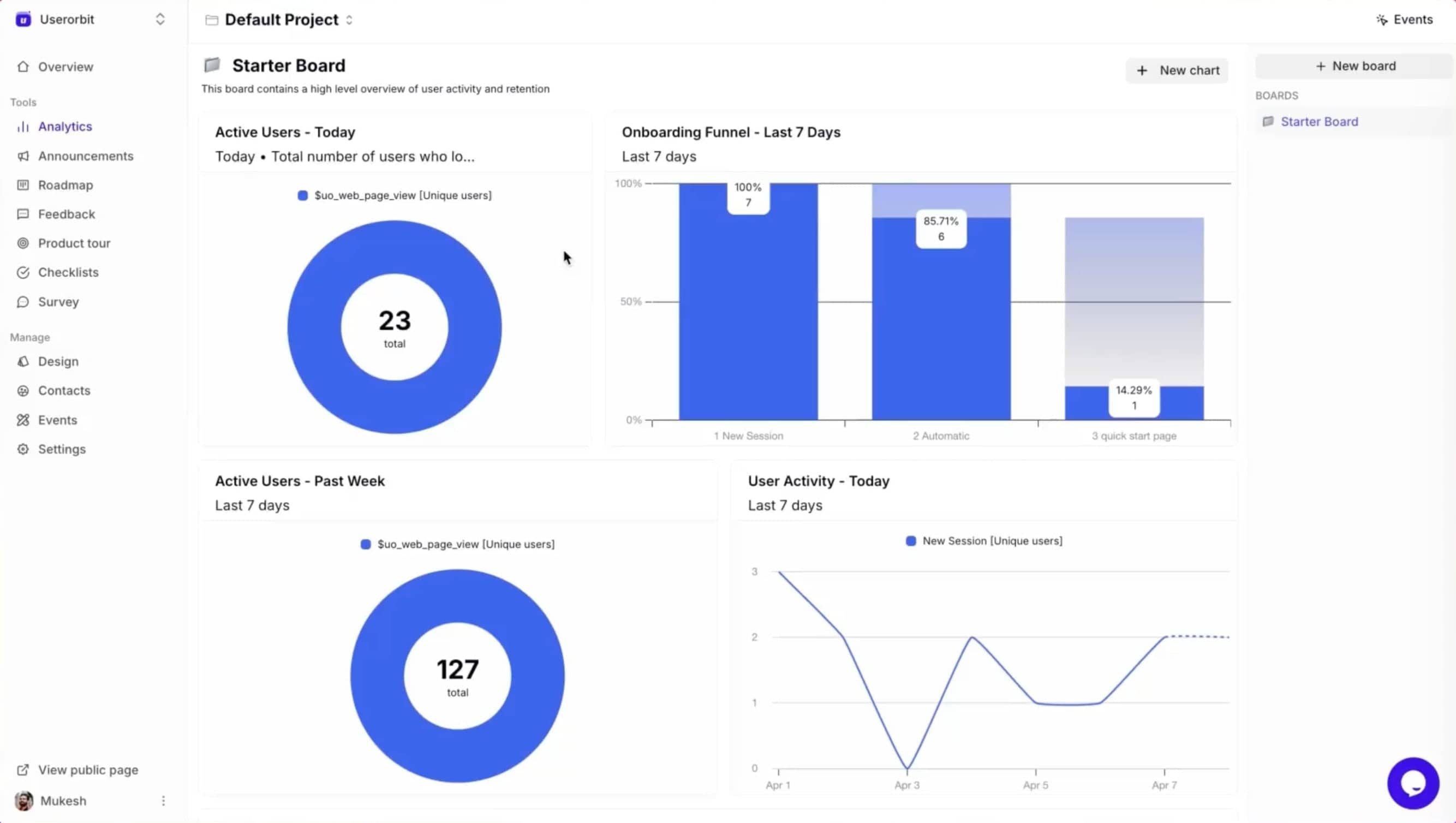
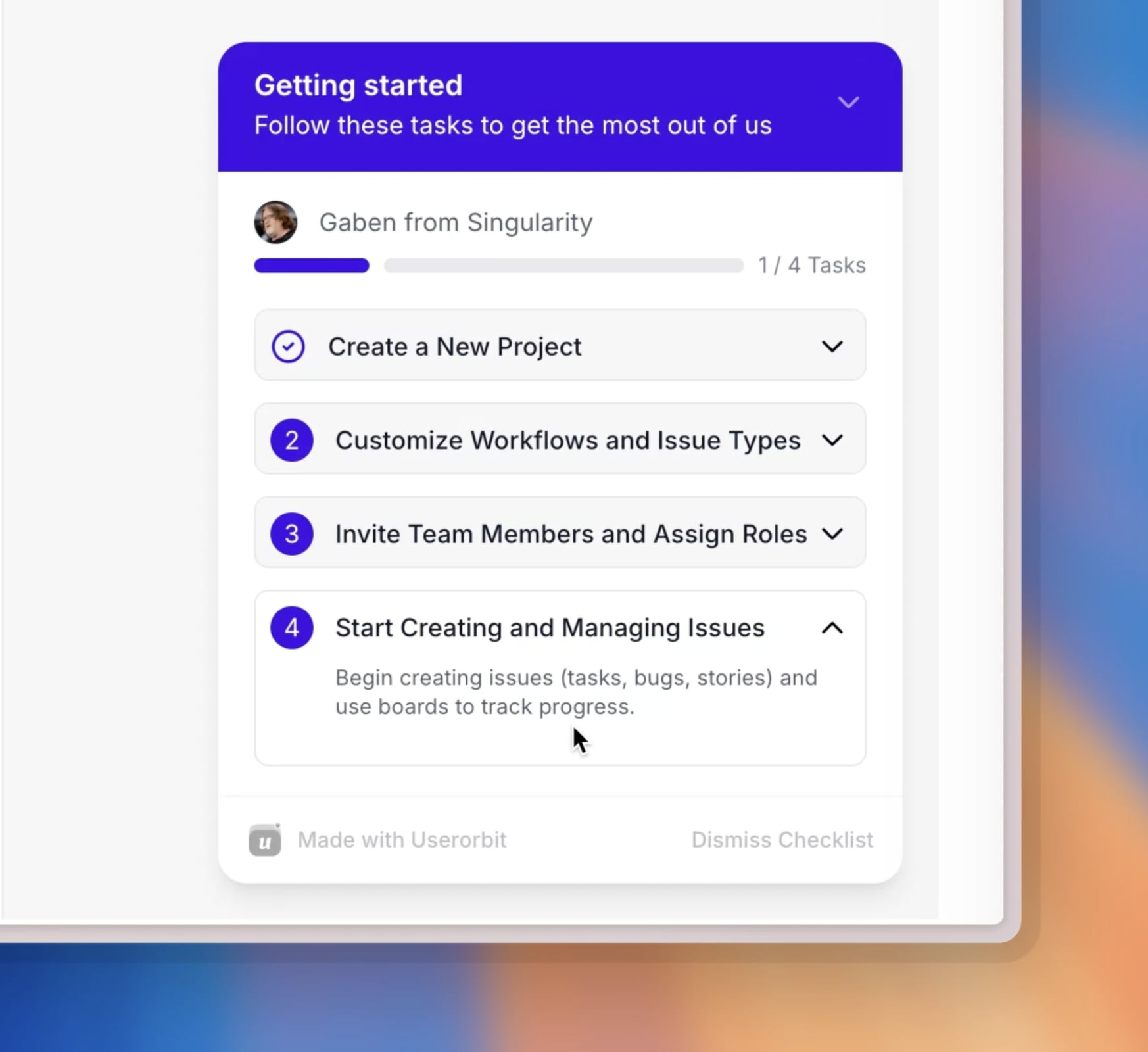
Best fit: Product-led SaaS teams that want onboarding, announcements, feedback, help content, and analytics in one system.
What stands out: Userorbit combines product tours, checklists, announcements, surveys, roadmap and feedback workflows, help content, and adoption analytics. That matters if Appcues would otherwise sit beside separate tools for communication or listening.
Watch-outs: If you mainly want a mature in-app messaging specialist and already have the rest of the stack solved elsewhere, Appcues or Userflow may feel more focused.
Pricing signal: Userorbit Growth is $95/month billed annually for 5,000 MAUs. Scale is $249/month billed annually for 10,000 MAUs and adds interactive demos, the Support Suite, and advanced controls; Enterprise is custom.
For a direct product-level comparison, see Appcues vs Userorbit. If migration is already on the table, pair this guide with our Appcues migration checklist.
Need onboarding connected to the rest of product work?
2. Userpilot: best for stronger analytics plus onboarding
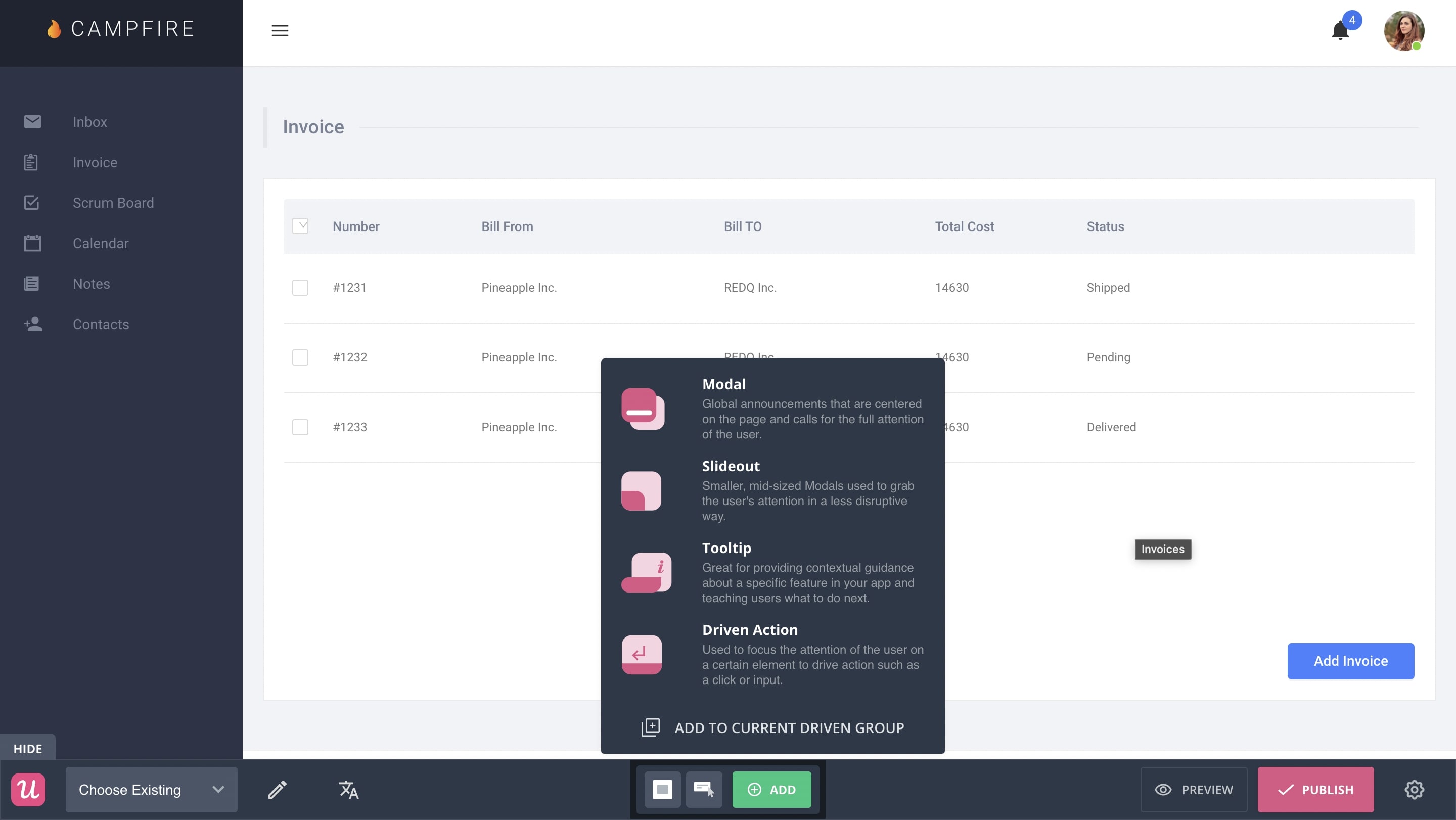
Best fit: Growth-stage SaaS teams that want onboarding and more product analytics in the same platform.
What stands out: Userpilot's official pricing page shows Starter at $299/month for 2,000 MAUs and Growth from $849/month. Growth adds advanced analytics, resource center, advanced surveys, 100,000 free emails per month, and 5,000 free session replays per month. Mobile engagement, premium CRM integrations, and data-warehouse sync are listed on Enterprise.
Watch-outs: Growth is the real planning number for many serious teams, and the jump from Starter to Growth is steep. Mobile engagement and enterprise integrations can still move the budget above the visible Growth starting price.
Pricing signal: Starter $299/month, Growth from $849/month, Enterprise custom.
If Appcues feels too engagement-led and you want a clearer analytics argument, Userpilot is often the closest shortlist candidate. For the detailed budget breakdown, read our Userpilot pricing guide.
3. Userflow: best for the simplest web-onboarding replacement
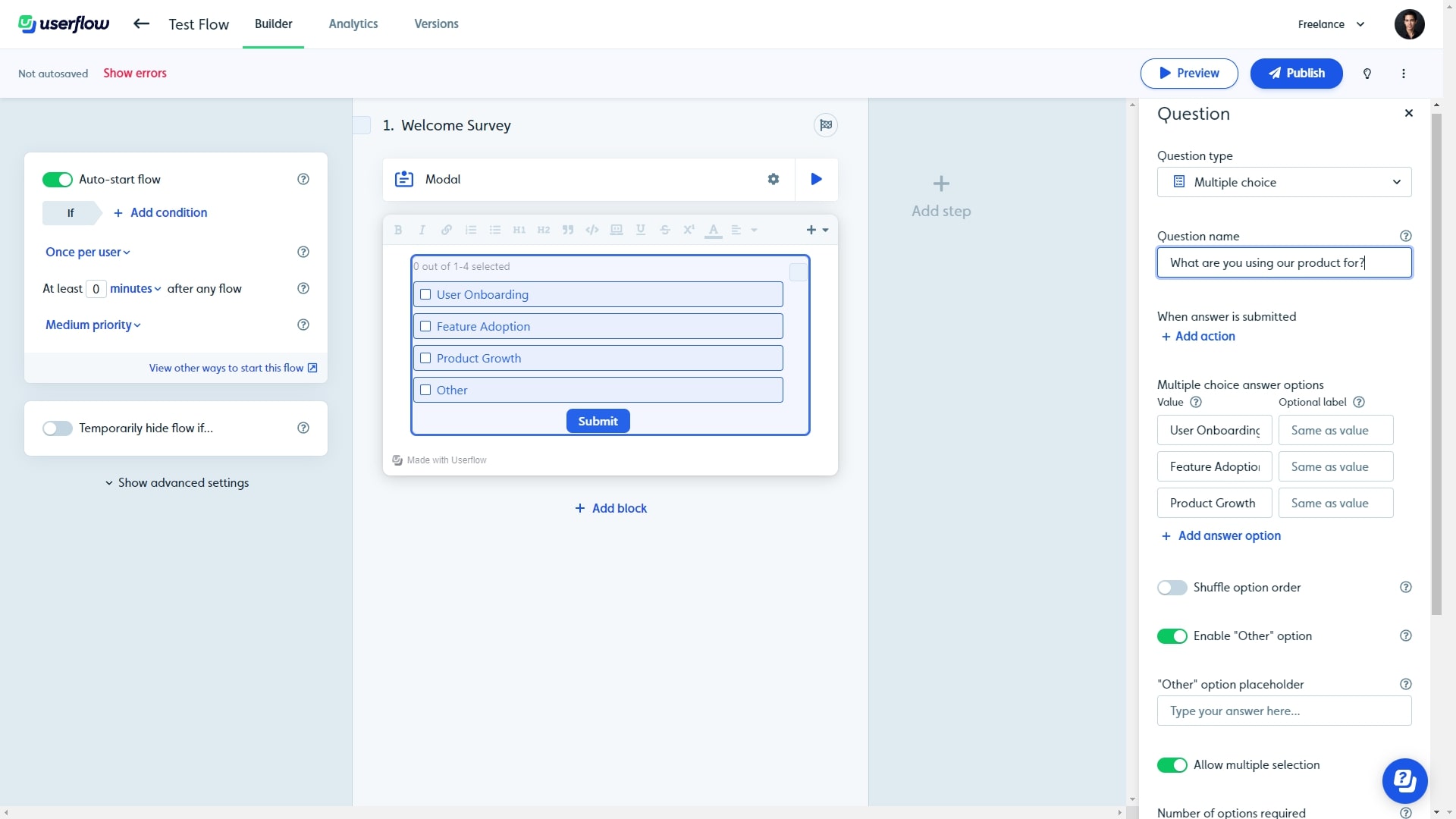
Best fit: Web-first SaaS teams that want a clean self-serve onboarding buy with less commercial friction than Appcues.
What stands out: Userflow's current pricing page is unusually transparent: Studio is $400/month billed annually for 1,000 MAUs, with unlimited creation and targeted deployment of flows, surveys, NPS, banners, launchers, checklists, tooltips, and tours, plus unlimited seats. Essentials is $240/month billed annually at the same starting MAU level.
Watch-outs: Userflow is strongest for web onboarding. If your shortlist requires a broader product-workflow stack or a deep enterprise governance posture, it may feel intentionally narrow.
Pricing signal: Studio $400/month billed annually for 1,000 MAUs; Essentials is $240/month billed annually at the same starting MAU level.
Userflow is often the best answer when the buyer does not want a full engagement suite. If that is your path, also compare it against the broader onboarding software shortlist so you do not optimize for simplicity while missing adjacent workflow needs.
4. UserGuiding: best budget-friendly alternative with broad no-code coverage
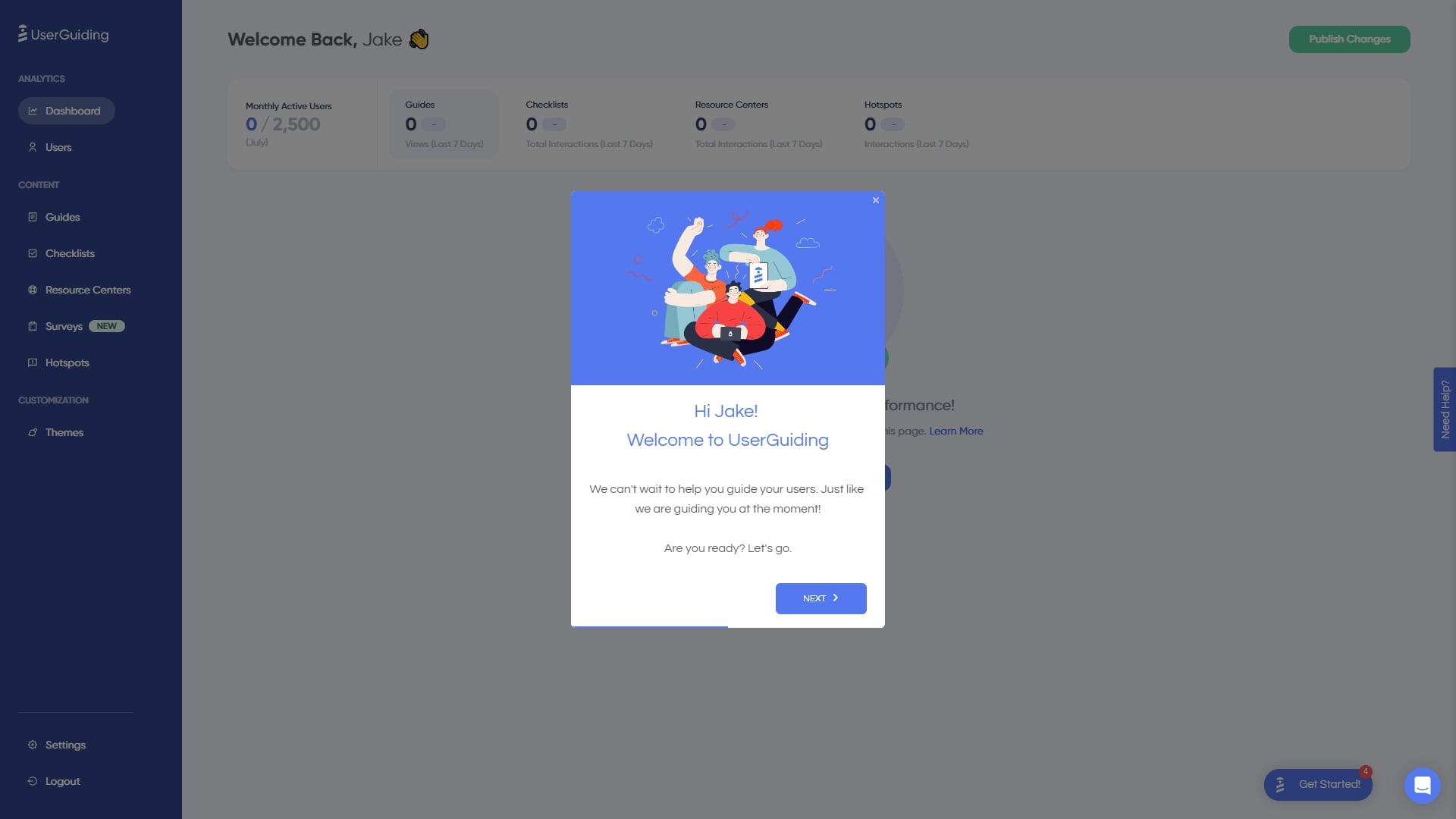
Best fit: Startups and smaller SaaS teams that want tours, checklists, surveys, and resource-center coverage at a lower public entry point.
What stands out: UserGuiding's current pricing page shows Starter at $249/month billed annually and Growth at $499/month billed annually at the visible 2,000 MAU setting. It now spans onboarding, in-app surveys, product updates, resource centers, AI assistant, and session replay, which makes it broader than older comparisons suggest.
Watch-outs: It remains a budget-oriented platform. Teams that want the strongest analytics depth, the most polished enterprise workflows, or the deepest customization may still outgrow it.
Pricing signal: Starter $249/month billed annually, Growth $499/month billed annually, Enterprise custom.
UserGuiding is the better buy when Appcues feels commercially heavy but the team still wants more than tours alone. We break the tradeoffs down in more detail in our UserGuiding pricing guide.
5. Chameleon: best for custom in-app UX and design control
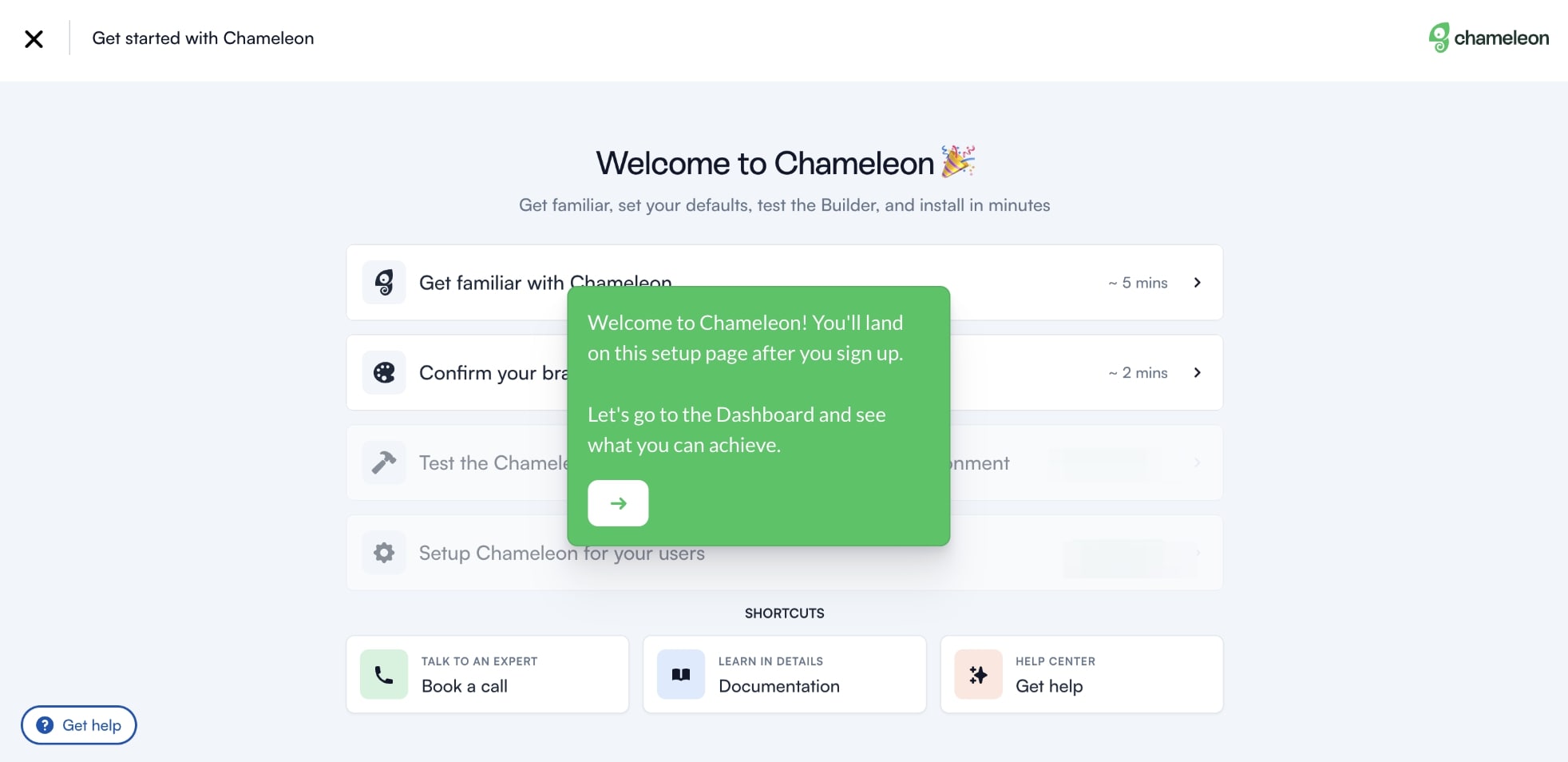
Best fit: Design-conscious product teams that care deeply about how onboarding feels inside the product.
What stands out: Chameleon publicly shows pricing by monthly tracked users, with Startup from $279 for 2,000 MTUs, Pro from $750/month for 5,000 MTUs, and Growth from $1,250/month billed annually for the same tracked-user volume. Startup is the lower-entry option; Pro and Growth are the more relevant comparison once teams need broader experience capacity and governance.
Watch-outs: Chameleon is not the low-friction budget option. More customization usually means more QA discipline and a more premium operating model.
Pricing signal: Startup from $279 for 2,000 MTUs; Pro from $750/month for 5,000 MTUs; Growth from $1,250/month billed annually; Enterprise custom.
Choose Chameleon when design control is the main issue with Appcues, not when the main problem is overall stack cost.
6. Pendo: best for enterprise product organizations
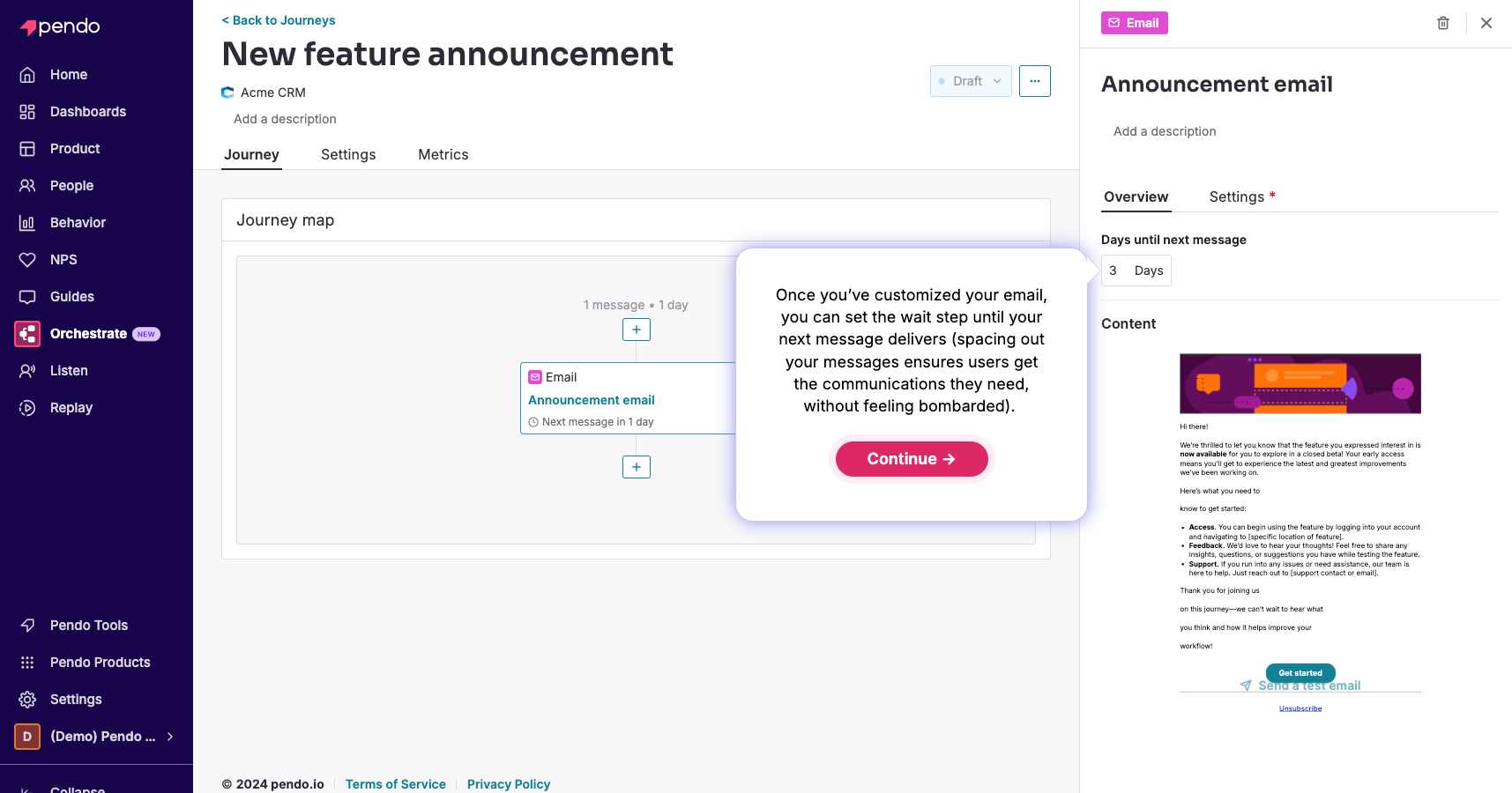
Best fit: Larger product teams that want onboarding inside a broader enterprise analytics and governance platform.
What stands out: Pendo still offers Pendo Free for up to 500 MAUs, while its paid page now names Base, Core, and Ultimate bundles with custom pricing tied to MAUs plus the functionality you choose. That makes the product structure clearer than Appcues' public page, but it is still not a low-friction budget comparison once you move beyond the free tier.
Watch-outs: Pendo can be heavy for teams that mainly need onboarding and adoption workflows. The breadth that helps enterprise buyers often creates more cost and implementation drag for mid-market SaaS teams.
Pricing signal: Free for 500 MAUs; Base, Core, and Ultimate paid plans are custom.
Pendo is the better alternative when the buyer is already comfortable with a larger platform purchase. If cost modeling is part of the job, compare it with our onboarding pricing comparison before you commit.
7. Whatfix: best for structured digital adoption programs
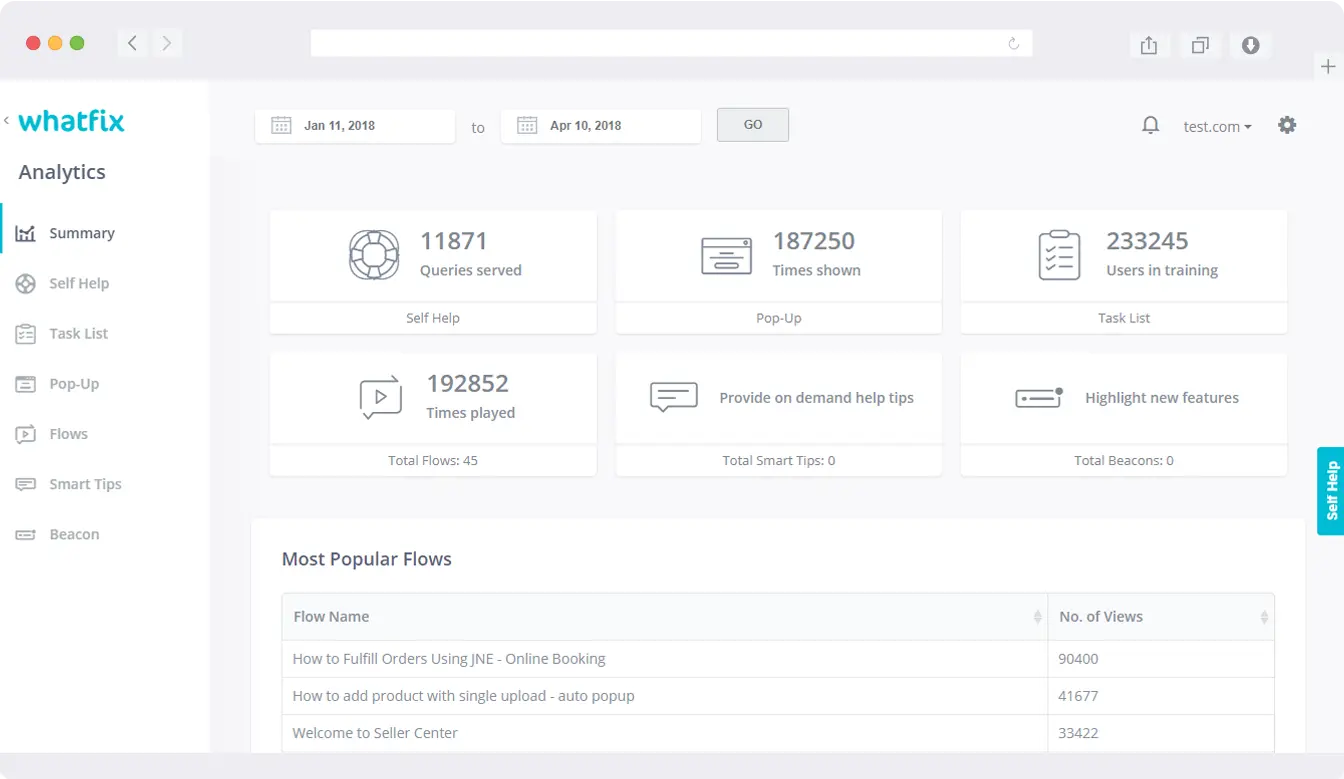
Best fit: Organizations running governed digital adoption, software training, and complex cross-team rollout programs.
What stands out: Whatfix's current pricing page separates Standard, Premium, and Enterprise plans for employee- or customer-facing applications. Subscriptions combine a flat per-application fee plus user license fees; customer-facing licenses are based on MAUs, while employee-facing licenses are based on employees with access. That commercial model fits a different class of buyer than most PLG onboarding tools.
Watch-outs: For pure B2B SaaS onboarding, Whatfix is often more platform and process than the team needs. It is usually chosen for structured enablement, employee software adoption, or governed multi-application deployments.
Pricing signal: Quote-led; flat fee plus user license fees.
Whatfix is worth shortlisting when the team says "digital adoption platform" rather than "product onboarding software."
Which Appcues alternative should you choose?
Choose Userorbit if you want onboarding plus announcements, feedback, help content, and adoption analytics in one stack.
Choose Userpilot if stronger product analytics matter more than broader product-workflow consolidation.
Choose Userflow if your main goal is clean web onboarding with transparent self-serve pricing and low operational friction.
Choose UserGuiding if budget is tight but you still want a broad no-code onboarding toolkit.
Choose Chameleon if your team is willing to pay more for tighter control over product-native UX.
Choose Pendo if the shortlist is already trending toward enterprise analytics and governance.
Choose Whatfix if the real job is governed digital adoption and software training rather than classic PLG onboarding.
Should you keep Appcues instead?
Yes, sometimes.
Appcues is still a sensible choice when:
- your team values a mature builder and the current workflows already work
- feature access from day one matters more than a low public starting number
- mobile support is important and your stack already covers feedback and communication elsewhere
- you are comfortable with a sales-led budget process tied to MAUs, installations, and published experiences
The goal is not to replace Appcues because it is bad. The goal is to replace it only if another product matches your operating model better.
Frequently asked questions about Appcues alternatives
Short answers for B2B SaaS buyers comparing Appcues alternatives in 2026.
Final take
If your shortlist comes down to two platforms, use the Appcues and Userorbit comparison to decide which workflows to test in a trial.
That is why the best alternative depends on the job. Userorbit is the best fit when you want one adoption workflow instead of a stitched stack. Userpilot is the closest analytics-forward option. Userflow is the simplest self-serve replacement. Chameleon wins on design control. Pendo and Whatfix make more sense when the operating model is already enterprise-heavy.
If Appcues is on your shortlist today, compare it against the current onboarding pricing landscape, the broader onboarding software shortlist, and the direct Appcues vs Userorbit comparison before you commit.