










Most onboarding pricing pages answer the wrong question.
They tell you what the first contract might look like. They do not tell you what the stack will cost six months later, once product, growth, customer success, and support all want to use onboarding as an operating channel.
As of August 11, 2026, the clearest verified public starting points in this category are Userorbit Growth at $95/month billed annually for 5,000 MAUs, Userflow Adoption Studio at $400/month billed annually for 1,000 MAUs, Chameleon Startup from $279 for 2,000 MTUs, and Userpilot Starter at $299/month for 2,000 MAUs. Pendo still offers a free entry point for up to 500 MAUs with custom paid plans. Appcues, Whatfix, and WalkMe remain meaningfully sales-led: you can learn the pricing model, but not get a clean self-serve buying number from the main pricing surface.
If you are a growing SaaS team, my short answer is this: Userorbit is the best budget path when you need onboarding plus the surrounding adoption workflow. It is not only a tour builder. Userorbit is an all-in-one product adoption, onboarding, feedback, roadmap, changelog, and customer engagement platform for product-led SaaS teams.
The decision in 60 seconds
Choose Userorbit if you want onboarding plus announcements, feedback, roadmap communication, help content, and analytics in one contract.
Choose Userflow if you want a cleaner web-first onboarding buy with transparent public pricing and you are comfortable adding adjacent tools later.
Choose Userpilot if you want stronger product analytics and engagement depth than lightweight onboarding tools, and you can budget above simple SMB pricing.
Choose Appcues if onboarding is part of a broader lifecycle messaging program and you are comfortable with a more sales-led buying motion.
Choose Pendo if deep analytics, governance, and executive confidence matter more than pricing transparency.
Choose Chameleon if the in-product experience itself is part of your brand and you are willing to pay for more design control.
Choose Whatfix or WalkMe only if your buying job is broader than SaaS user onboarding and starts looking like digital adoption, training, or transformation across complex systems.
Current pricing snapshot
This table combines current public pricing visibility with practical planning guidance. Where a vendor does not publish a self-serve price, I call that out directly.
| Tool | Current public entry point | What raises the bill fastest | Best fit |
|---|---|---|---|
| Userorbit | $95/month billed annually for Growth, 5,000 MAUs | More MAUs, higher plan tier, broader team usage | Growing SaaS teams that want onboarding plus adoption workflows |
| Userflow | $400/month billed annually for Adoption Studio, 1,000 MAUs | MAU expansion, extra environments, adding more product surface area | Web SaaS teams that want a transparent onboarding buy |
| Userpilot | $299/month for Starter, 2,000 MAUs | Jumping to Growth, analytics depth, session replay, mobile add-ons | Mid-market SaaS teams that want analytics plus engagement |
| Appcues | No public self-serve dollar amount on the main pricing page | MAUs, installations, published experiences, premium service level | Teams buying a broader engagement program |
| Chameleon | Startup from $279 for 2,000 MTUs; Pro from $750/month for 5,000 MTUs | MTU growth, live-experience limits, styling depth, campaign complexity | Design-forward teams with heavier customization needs |
| Pendo | Free for up to 500 MAUs; Base, Core, and Ultimate are custom | Paid MAU volume, analytics depth, add-on products | Product orgs that need analytics depth and governance |
| Whatfix | Standard, Premium, and Enterprise plan families with demo-led pricing | Scope, services, deployment shape, support | Enterprise enablement and software adoption programs |
| WalkMe | Quote request flow on the pricing page | Enterprise scope, integrations, rollout scale, support | Large digital transformation and process-adoption programs |
Buyer-fit by team stage
| Team type | Best pricing posture | Why |
|---|---|---|
| Early-stage SaaS | Userorbit or Userflow | Transparent entry points and faster setup matter more than enterprise control |
| Growth-stage SaaS | Userorbit or Userpilot | This is where segmentation, analytics, and cross-team usage start changing the budget |
| Enterprise SaaS | Pendo, Whatfix, or WalkMe | Governance, security review, and rollout complexity start dominating the buying process |
| Product-led teams | Userorbit, Userflow, or Userpilot | These tools fit activation and adoption work better than classic enterprise DAPs |
| Customer-success-led teams | Userorbit or Appcues | They are stronger when onboarding connects to messaging, support, and customer communication |
What you are actually paying for
The headline monthly price is not the real comparison.
In this category, vendors usually meter cost across four layers.
1. Monthly active users
MAU pricing is still the dominant commercial model. The problem is not that MAU pricing exists. The problem is that your bill rises as adoption starts working.
That can be fine when the platform is clearly moving activation and retention. It gets painful when you are also paying for seats, add-ons, or adjacent tools around the onboarding layer.
2. Workflow breadth
Some vendors are mostly onboarding tools. Others are product adoption systems. Others are enterprise digital adoption platforms.
That distinction matters because a cheaper tour tool can become the more expensive decision if you still need:
- announcements
- feedback collection
- roadmap communication
- help content
- analytics
- session replay
- in-app support
3. Governance and procurement
The first team to buy onboarding software is usually product or growth.
The people who complicate the contract later are security, procurement, customer success leadership, support operations, and data teams.
SSO, audit logs, roles and permissions, compliance review, data residency, sandbox environments, SLAs, and premium onboarding support are the budget accelerants many teams underweight in the first evaluation round.
4. Implementation cost
No-code does not mean no operating cost.
You still need event setup, segmentation logic, targeting QA, launch coordination, localization, and someone to keep flows current after the product changes.
This is one reason open-source product tour libraries stop looking cheap once the program matures.
Vendor-by-vendor pricing breakdown
Userorbit
Userorbit onboarding and product adoption platform
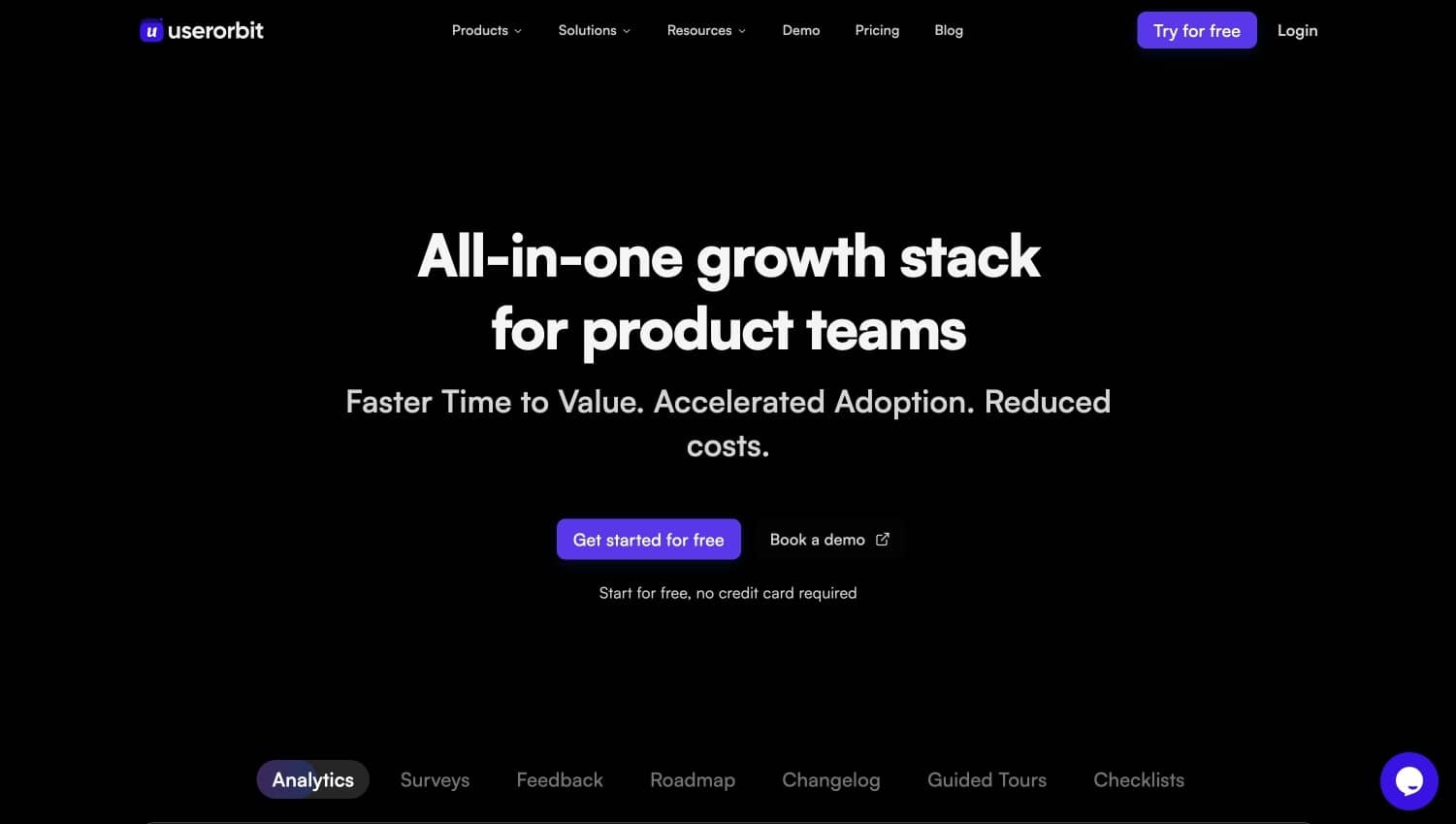
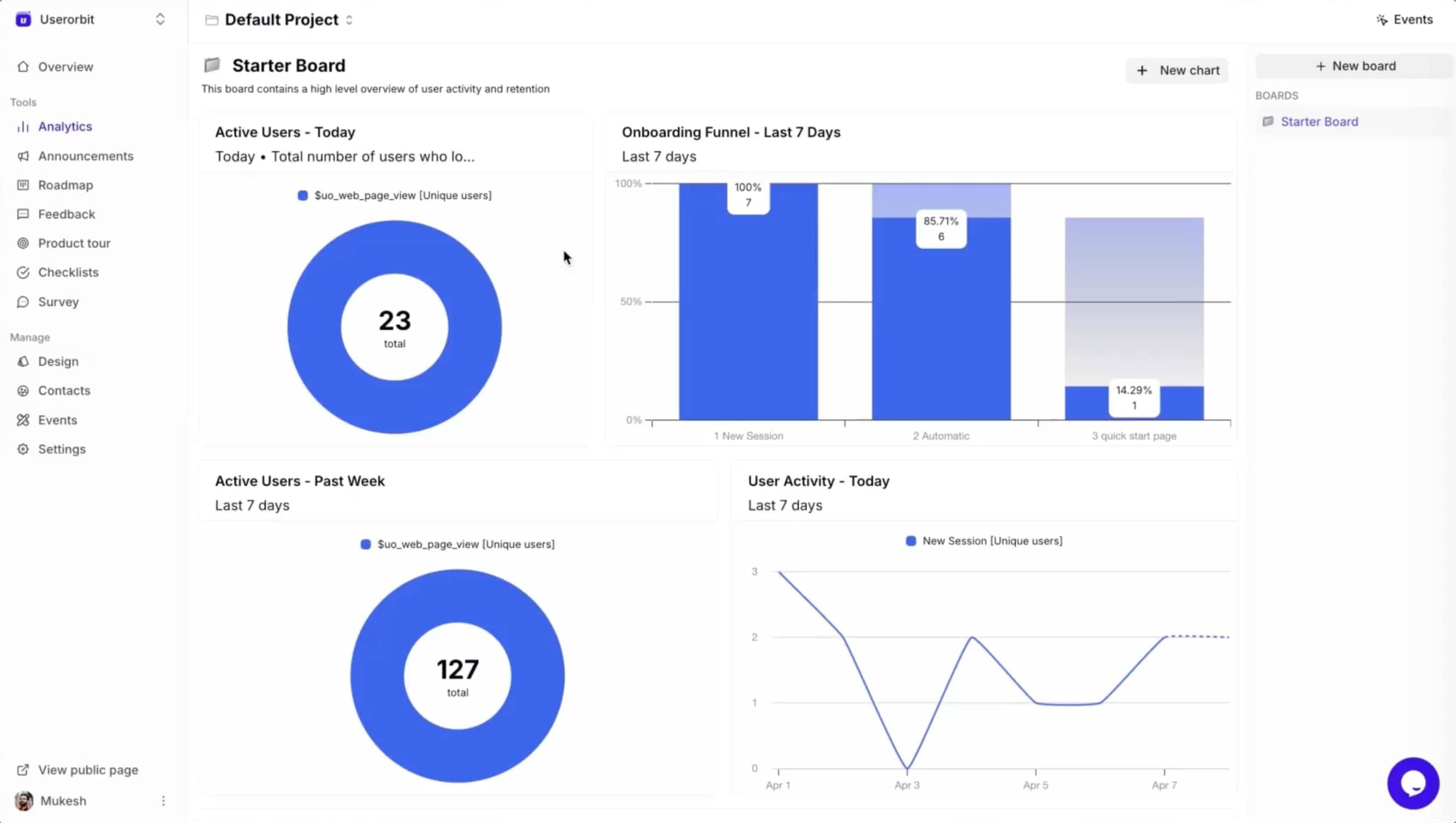
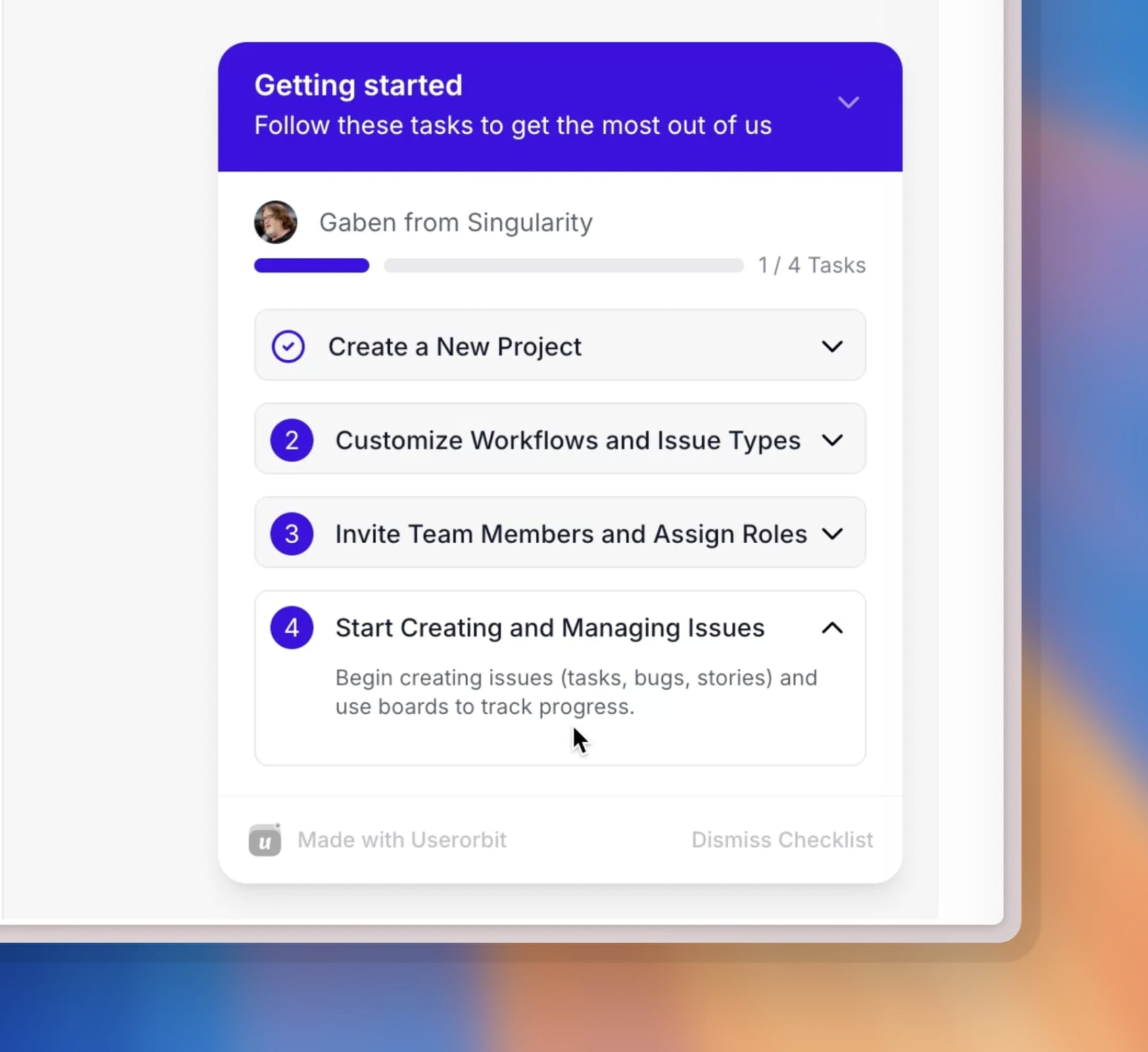
Userorbit is the most convincing budget path for growing SaaS teams because it does not force you to buy the rest of the adoption stack separately.
On the public pricing page, Growth starts at $95/month billed annually and includes 5,000 MAUs. The important part is not only the entry price. It is that Userorbit already combines onboarding with announcements, changelog, feedback, roadmap, help content, surveys, and analytics.
That changes the comparison.
If your real buying job is onboarding plus feature adoption plus user communication, Userorbit often replaces several smaller subscriptions instead of adding one more.
Where pricing feels strongest
- product-led SaaS teams replacing multiple point tools
- teams that want transparent entry pricing
- companies that need onboarding tied to feedback, announcements, and adoption metrics
Where it may be less ideal
- teams buying primarily for legacy enterprise-vendor comfort
- organizations that need heavy transformation-style services from day one
If your use case is activation, feature discovery, and adoption workflow, compare Userorbit against both onboarding software and product-tour build-vs-buy decisions, not just point-tour vendors.
Buy onboarding once, not four times
Userflow
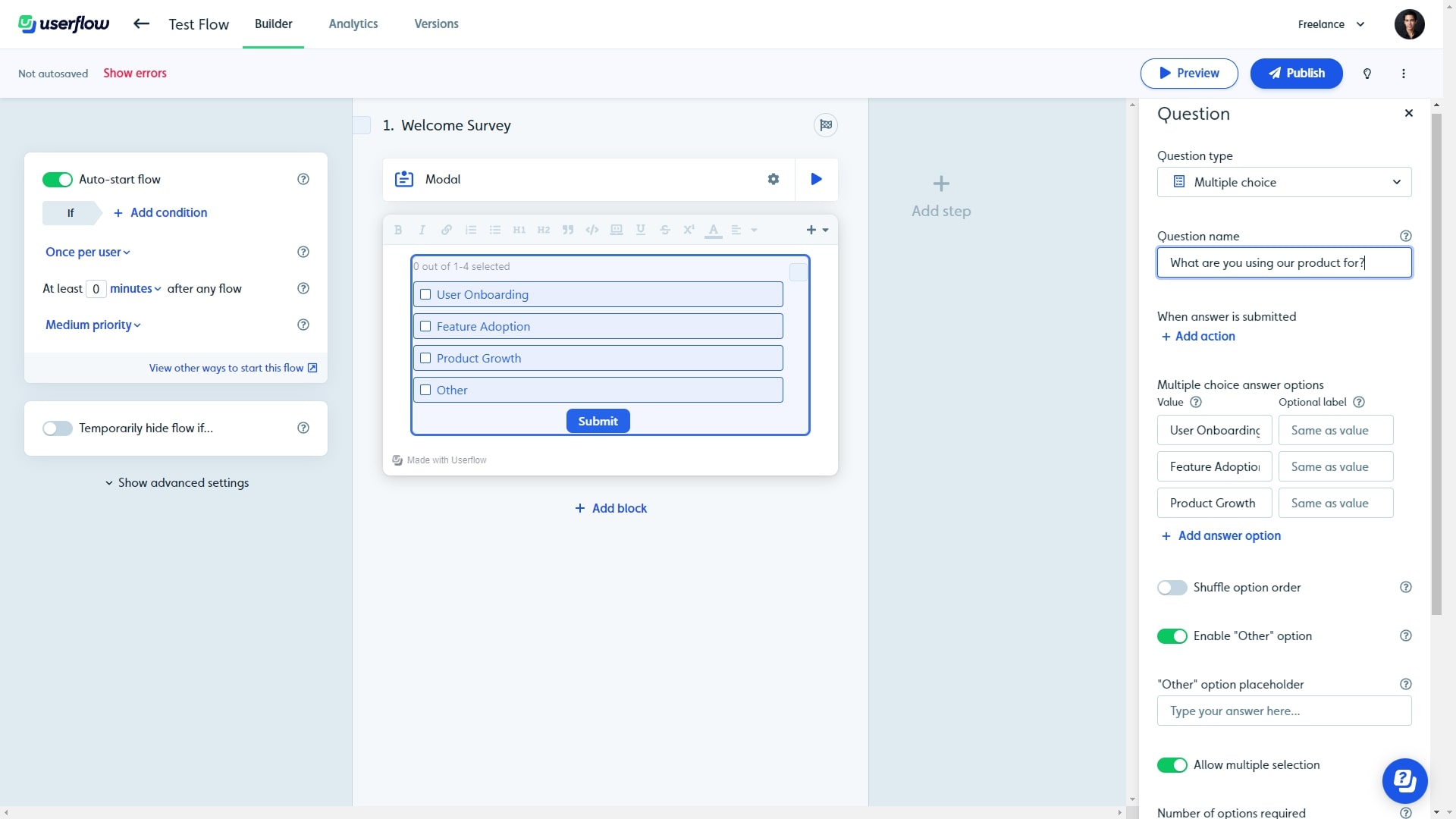
Userflow still has one of the clearer public onboarding price stories in the category.
As of July 27, 2026, Adoption Studio is $400/month billed annually or $500/month billed monthly for 1,000 MAUs. The public pricing page also shows $30 per additional 1,000 MAUs from 1,001 to 10,000, with lower rates at larger bands.
That makes Userflow easier to model than vendors that push you into a demo before you can do budget math. It is one reason Userflow remains attractive for web-first SaaS teams that want to ship onboarding fast.
The tradeoff is workflow breadth. If you later need richer analytics, deeper feedback programs, or broader customer communication workflows, the total stack can expand around Userflow.
Best fit
- teams that mainly need tours, checklists, banners, surveys, and web onboarding
- buyers who value a clear public pricing page
Watch for
- MAU growth
- extra environments
- the cost of adjacent tools outside the onboarding layer
Userpilot
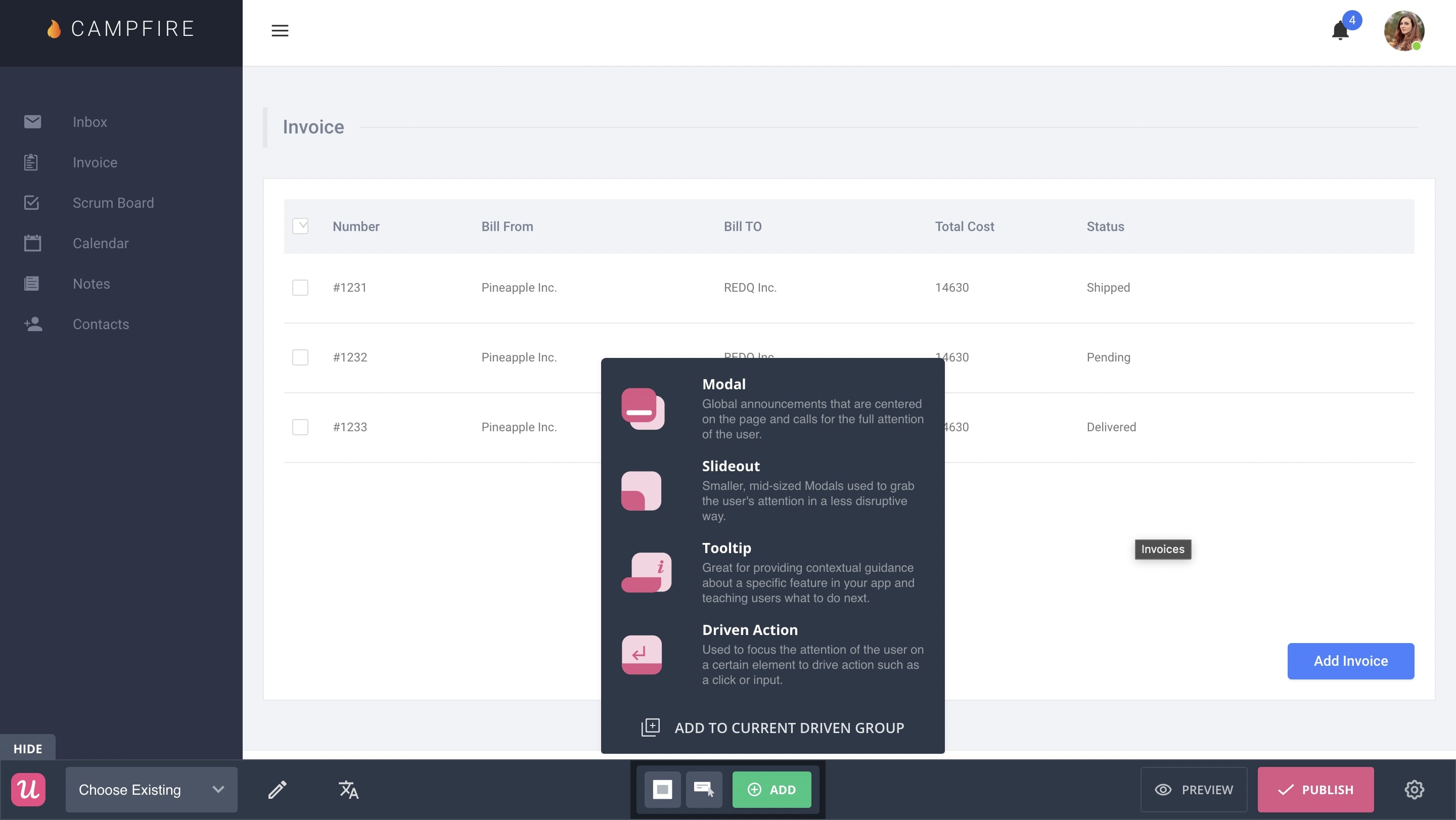
Userpilot sits in the middle of the market, but the current pricing page makes the jump points much clearer than before.
As of July 27, 2026, Starter is $299/month and includes 2,000 MAUs. Growth starts from $849/month. Enterprise is custom.
This structure tells you a lot about the product.
Userpilot is not trying to be the cheapest onboarding buy. It is selling a more serious product-growth platform, especially once you move beyond the Starter tier.
That is why Userpilot is a practical fit for growth-stage SaaS teams that want onboarding plus better product insight than lightweight tools usually provide, but do not want to jump all the way into Pendo territory.
Best fit
- SaaS teams that care about activation analytics as well as guidance
- buyers comfortable budgeting into the high hundreds per month once the program matures
Watch for
- the price jump from Starter to Growth
- session replay and mobile capabilities being add-on territory rather than base-plan assumptions
If Userpilot is on your shortlist, compare it directly with Appcues pricing, Pendo pricing, and your broader onboarding-tool shortlist.
Appcues

Appcues used to be easier to summarize with simple plan prices. The current commercial story is more sales-led.
The official pricing page now emphasizes that Appcues pricing is based on monthly active users, number of installations, and published experiences. It also says every plan includes every experience type, feature, and integration from day one, which is a real positioning difference from vendors that gate capabilities more heavily.
That sounds attractive, and for some teams it is.
The challenge is that the public main page no longer gives a clean self-serve entry number the way Userflow or Userpilot does. So the evaluation question shifts from "how much does Appcues cost?" to "what exact Appcues package will our use case require?"
Best fit
- teams that treat onboarding as part of a broader in-app and lifecycle engagement system
- buyers who want mature messaging patterns and are comfortable with a sales conversation
Watch for
- MAUs
- installations and experience scope
- premium service expectations that pull the real contract upmarket
Appcues may still be worth it. It is just less transparent than it once was, which matters if speed and budget clarity are part of the buying criteria.
Chameleon
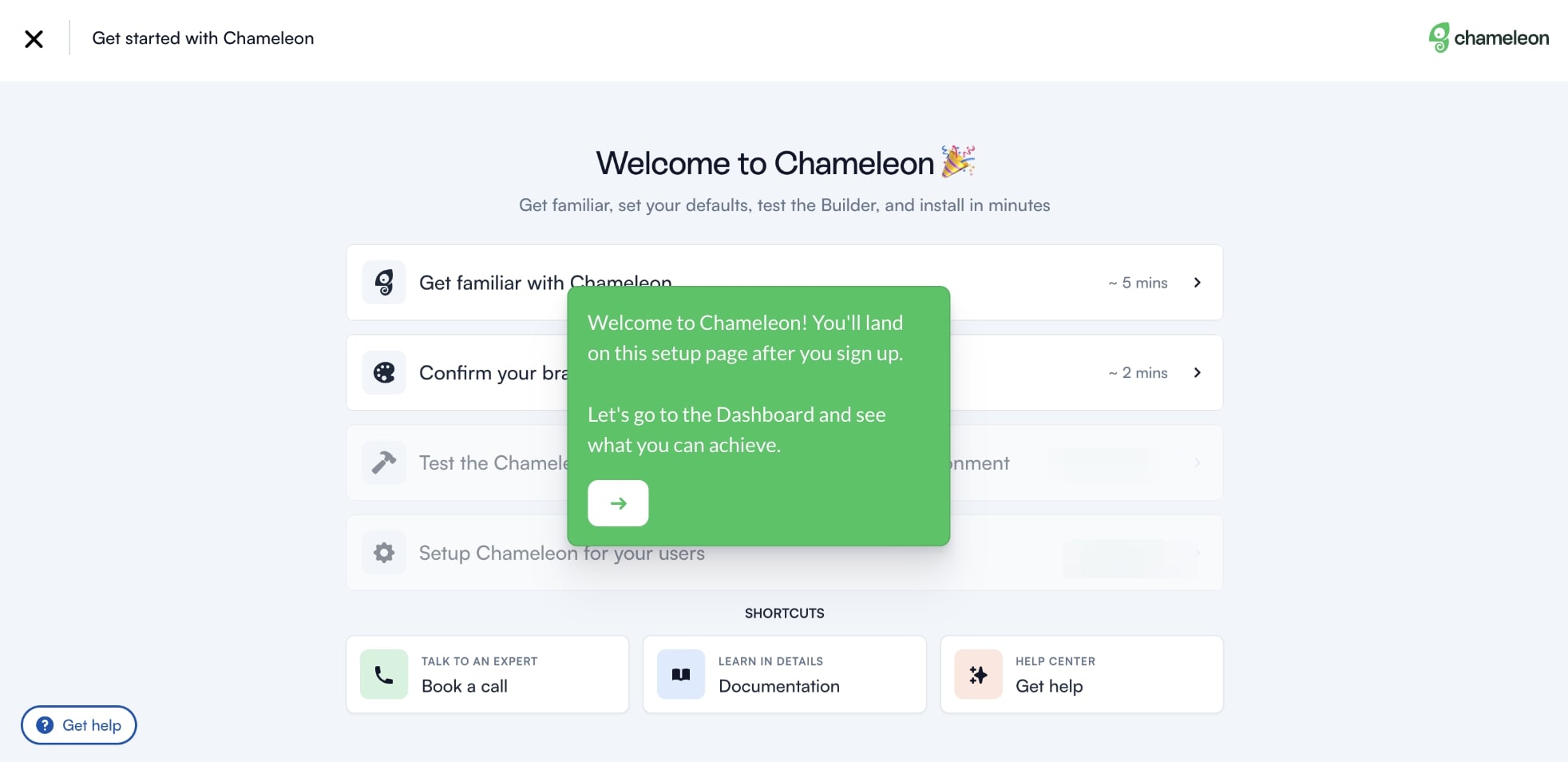
Chameleon remains a premium, design-forward option, but the pricing page is more public than it used to be.
As of July 27, 2026, the public plans page shows Startup from $279 for 2,000 MTUs, Pro from $750/month for 5,000 MTUs, and Growth from $1,250/month billed annually for 5,000 MTUs, with Enterprise custom.
That is more transparent than Appcues, Whatfix, or WalkMe. It is still not the same kind of low-friction budget math as Userflow, because the higher-governance packages move quickly into demo-led territory.
That does not make it a bad buy. It makes it a more specialized one.
Best fit
- teams that care deeply about in-product experience polish and customization
- onboarding programs where brand expression and experimentation matter enough to justify the premium
Watch for
- heavier implementation and QA expectations
- a commercial process that reflects a more custom product posture
For purely functional onboarding, many teams will not need this much customization.
Pendo
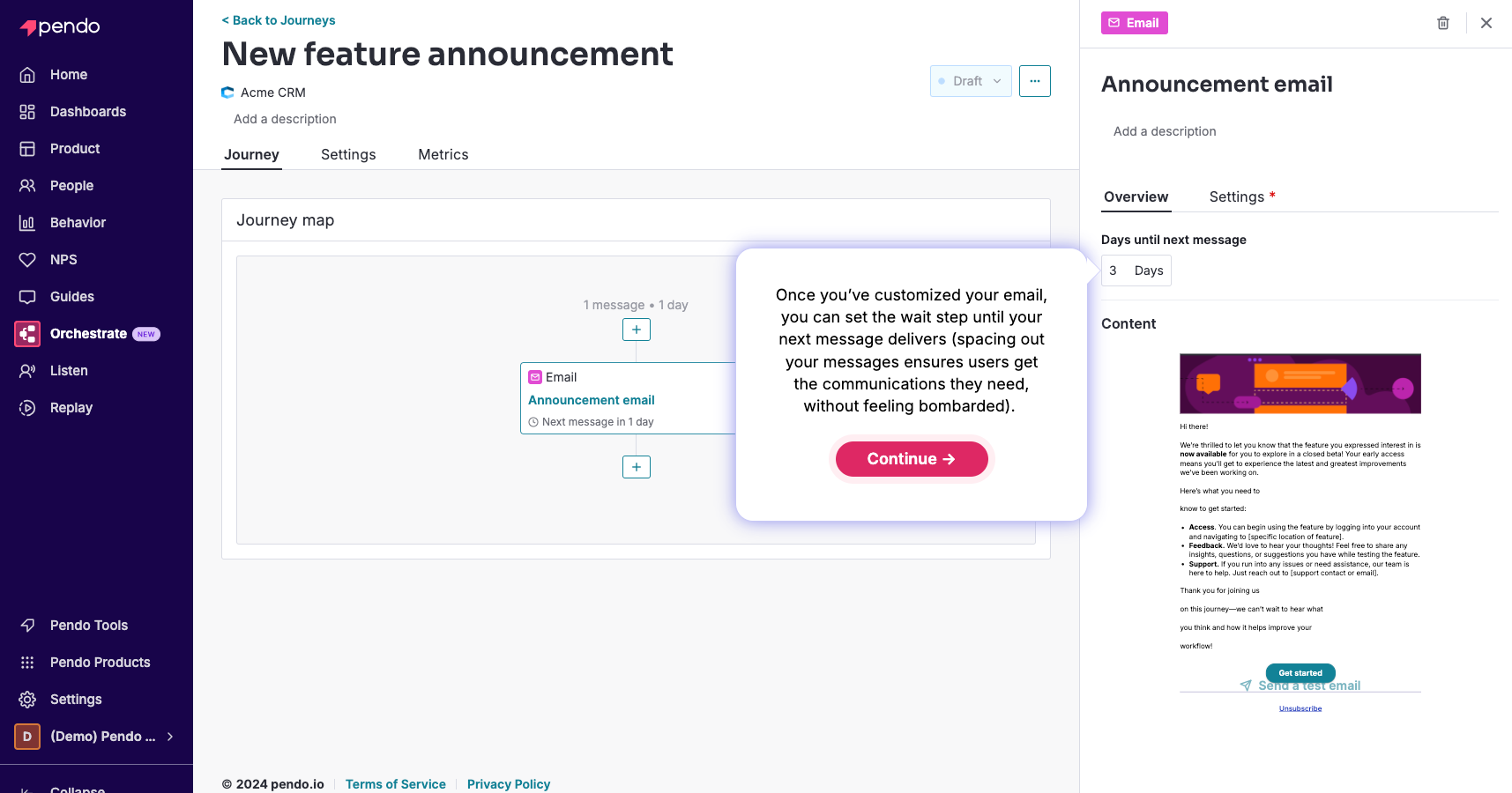
Pendo still uses the same broad structure many buyers know: a free entry point, then a serious jump into custom paid plans.
The current pricing page still presents Base, Core, and Ultimate as plan families while pushing buyers toward a free entry or a sales conversation for paid packaging. That is the budgeting reality: Pendo is not optimized for fast self-serve comparison once you move past the free tier.
It is optimized for organizations that want analytics depth, governance, platform confidence, and the ability to expand into broader product operations.
Best fit
- teams that need deep analytics and a stronger enterprise story
- organizations where executive confidence and governance matter as much as onboarding speed
Watch for
- a longer buying cycle
- custom contract math rather than straightforward public pricing
- paying for more platform than a simple onboarding use case actually needs
For the full budget breakdown, read the dedicated Pendo pricing guide.
Whatfix and WalkMe
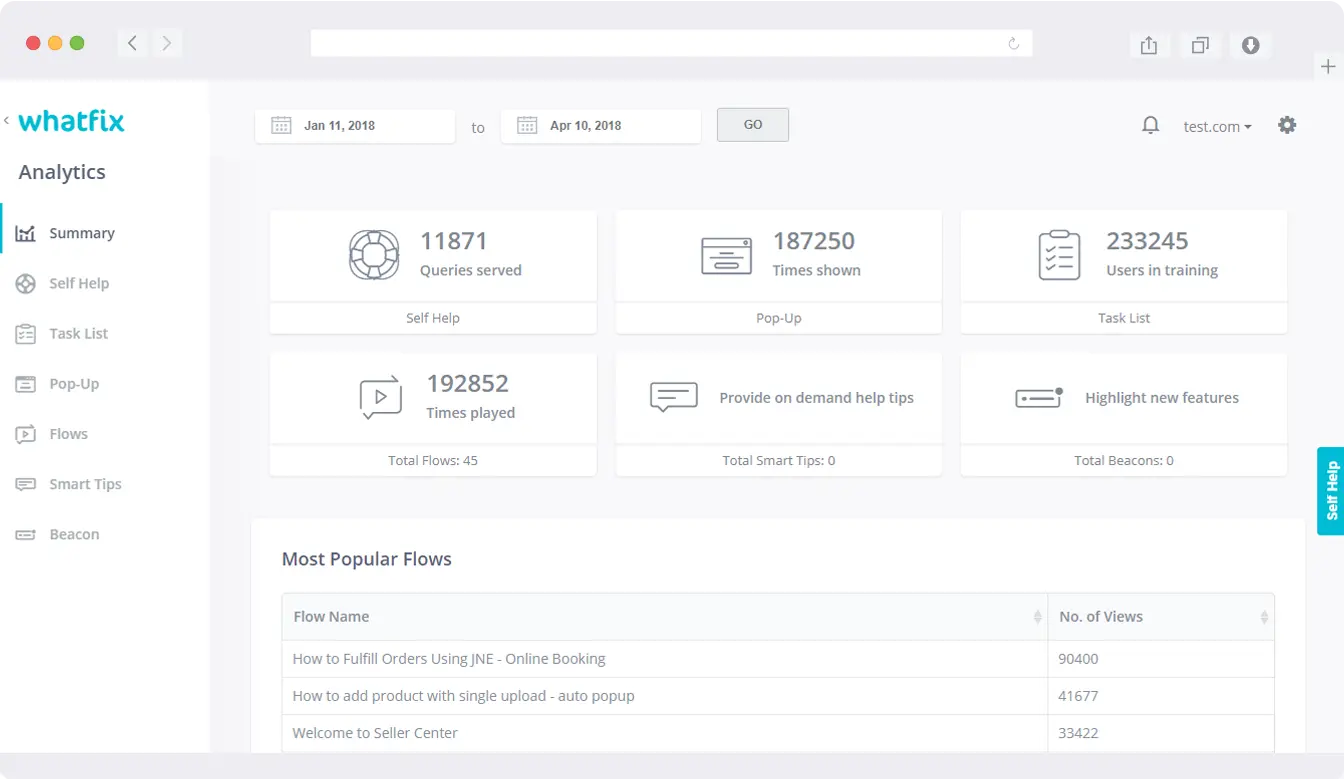
Whatfix and WalkMe sit outside the normal SaaS onboarding price conversation for most product-led teams.
During this refresh, both pricing surfaces still push buyers toward a demo or quote request rather than a self-serve plan number. Whatfix at least exposes Standard, Premium, and Enterprise plan families on the pricing page, while WalkMe stays at the quote-request level. That matters because these tools are usually being bought for broader digital adoption jobs:
- employee enablement
- cross-system workflow guidance
- complex process adoption
- enterprise rollout and training
If your real use case is "we need better activation and feature adoption inside our SaaS product," these tools are often heavier and more expensive than necessary.
They can absolutely be the right fit. They are just rarely the right fit for a standard PLG onboarding budget.
The hidden costs that distort the comparison
MAU inflation
If a tool is installed too broadly, your bill rises for traffic that does not create meaningful product value.
Check:
- which pages load the SDK
- whether anonymous traffic counts
- how internal users and QA accounts are handled
- whether a vendor measures logged-in users or all active visitors
Feature gates
Starter pricing is not real if your actual use case already needs:
- advanced segmentation
- experimentation
- multiple environments
- email or mobile engagement
- session replay
- governance controls
This is where a $299 decision quickly becomes an $849 decision, or a custom-plan conversation.
Multi-tool overlap
This is the biggest cost trap for SaaS teams.
A cheap onboarding tool becomes expensive when you still pay separately for:
- changelog software
- announcement tooling
- feedback boards
- roadmap communication
- help center tooling
- analytics
This is why a broader platform can be the cheaper decision even when the list price is higher.
Operating labor
Someone owns the onboarding program after the contract is signed.
If the product needs constant engineering help, repeated QA, complex styling fixes, or manual coordination across releases, the operational cost belongs in the pricing comparison too.
How to evaluate pricing without getting burned
Use this checklist before you accept any quote or sign any annual plan.
- Define the real job. Are you buying tours only, or are you buying onboarding plus adoption and communication workflows?
- Model the next 12 months, not this month. Use the MAU number you expect after the product grows.
- List every adjacent tool you still need if you choose the onboarding vendor on its own.
- Ask what triggers the next pricing jump: MAUs, seats, environments, add-ons, or premium support.
- Clarify implementation ownership. Who maintains events, targeting, QA, localization, and cleanup?
- Check the governance path early. If SSO, audit logs, or data residency will matter later, price that reality now.
- Compare the cost of replacing tools, not only the cost of adding one.
If you want the broader context for what good onboarding software should actually do, read the complete SaaS onboarding guide and product tours for activation.
Best budget path for growing SaaS teams
For most growing SaaS teams, the wrong move is not choosing the most expensive platform.
The wrong move is choosing the cheapest narrow tool, then rebuilding the rest of the adoption stack around it.
That is why Userorbit is the best budget path in this category.
It gives product-led teams onboarding, announcements, feedback, roadmap communication, help content, surveys, and analytics in one workspace. That means the price conversation stays attached to the real job: getting users to value faster and improving adoption after launch.
If your job is narrower than that, Userflow and Userpilot remain strong comparisons.
If your job is broader and more enterprise-heavy, Pendo, Whatfix, and WalkMe belong in the room.
But for the typical SaaS buyer trying to improve activation without turning the stack into a procurement project, Userorbit is the cleanest answer.
FAQ
Short answers for SaaS teams comparing onboarding pricing models, transparency, and fit.