










WalkMe is one of the best-known names in digital adoption. It earned that reputation by helping large organizations guide users across complex systems, internal tools, and enterprise software rollouts.
That same strength is also why many modern SaaS teams start looking elsewhere.
If your company is product-led, ships fast, and needs to improve activation inside a web app or mobile product, WalkMe can feel oversized for the job. It often comes with enterprise sales cycles, heavier implementation work, more governance than smaller teams need, and pricing that makes sense only when digital adoption is a company-wide transformation initiative.
This guide covers the best WalkMe alternatives for product-led teams in 2026. We focus on tools that help SaaS companies improve onboarding, product adoption, and user engagement without inheriting enterprise complexity they do not need.
Why Product-Led Teams Look for WalkMe Alternatives
WalkMe is not a bad product. It is often the wrong fit.
Here are the most common reasons SaaS teams move off WalkMe or avoid it in the first place.
1. WalkMe is built for large-scale digital transformation
WalkMe shines in environments with:
- complex employee software stacks
- internal process enablement
- cross-system workflow guidance
- heavy enterprise governance requirements
That is very different from the needs of a SaaS team trying to improve:
- trial-to-activation conversion
- feature adoption
- onboarding completion
- self-serve product education
- feedback loops inside the app
When your use case is product growth, WalkMe can feel like using a transformation platform to solve an onboarding problem.
2. Implementation can be heavier than PLG teams want
Product-led teams usually care about speed. They want to launch onboarding experiments this week, not after a lengthy implementation cycle.
WalkMe often requires more process, planning, and internal coordination than lean SaaS teams want to absorb.
3. Pricing can be hard to justify
WalkMe tends to make sense when adoption is tied to enterprise-wide software ROI. For startup and mid-market SaaS teams, the total cost can feel disconnected from the actual onboarding job to be done.
4. Many teams need product adoption, not enterprise change management
This is the biggest distinction.
WalkMe is often strongest when guiding employees through complex systems.
Product-led SaaS teams usually need a platform that helps customers:
- discover value faster
- complete onboarding flows
- notice new features
- answer questions in context
- give feedback at the right moment
Those are product adoption problems, not digital transformation problems.
What to Look For in a WalkMe Alternative
If you are replacing WalkMe for a product-led SaaS use case, prioritize these criteria:
- fast no-code setup for tours, checklists, and announcements
- strong targeting by user segment, lifecycle stage, or behavior
- lightweight analytics for onboarding completion and activation impact
- support for feedback or surveys so you can iterate based on real user friction
- reasonable pricing that fits SaaS growth stages
- web or mobile support aligned with your product roadmap
The best alternative is usually the one that shortens time-to-value, not the one with the biggest enterprise feature matrix.
Best WalkMe Alternatives
1. Userorbit - Best Overall WalkMe Alternative for Product-Led SaaS
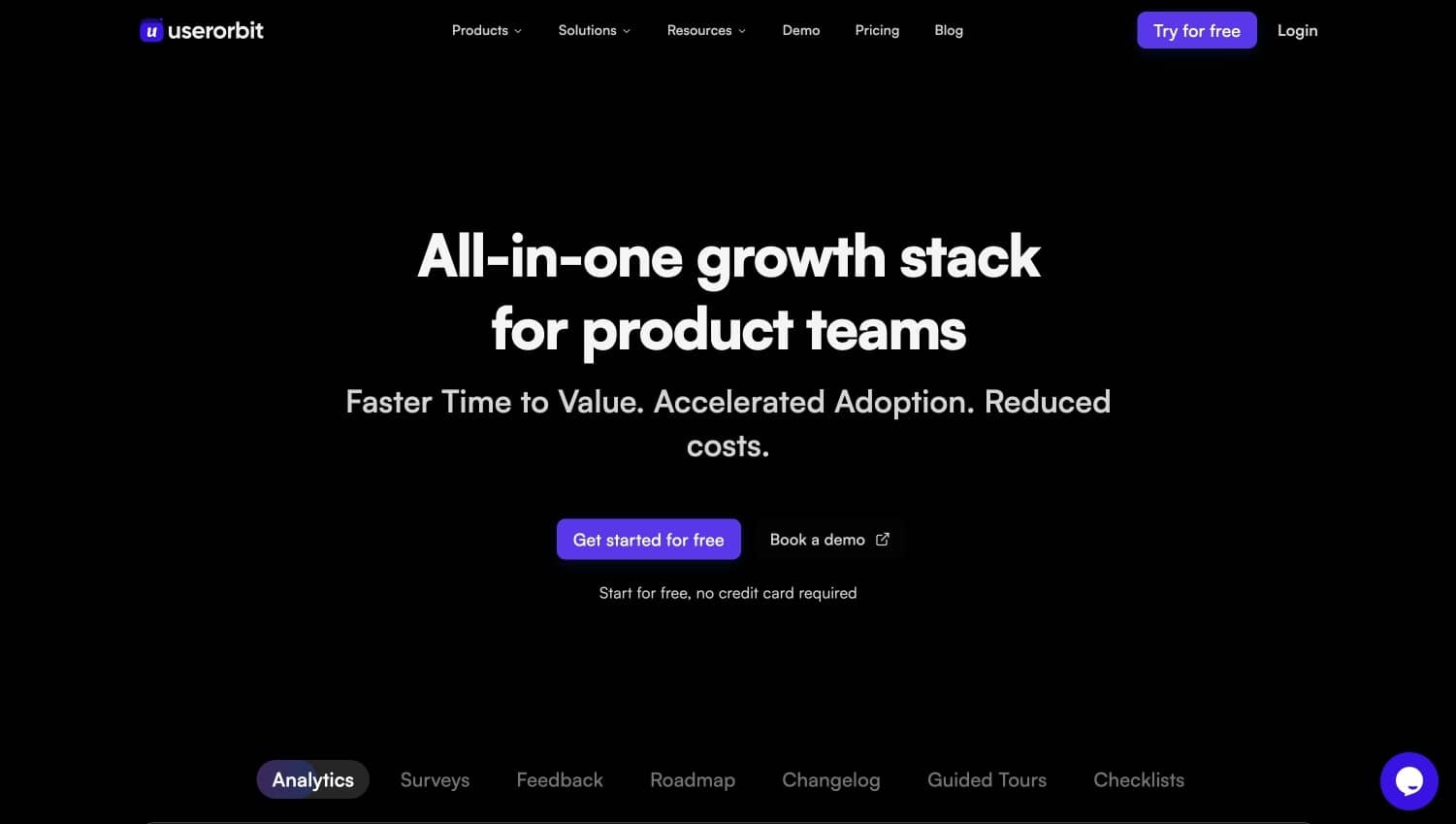
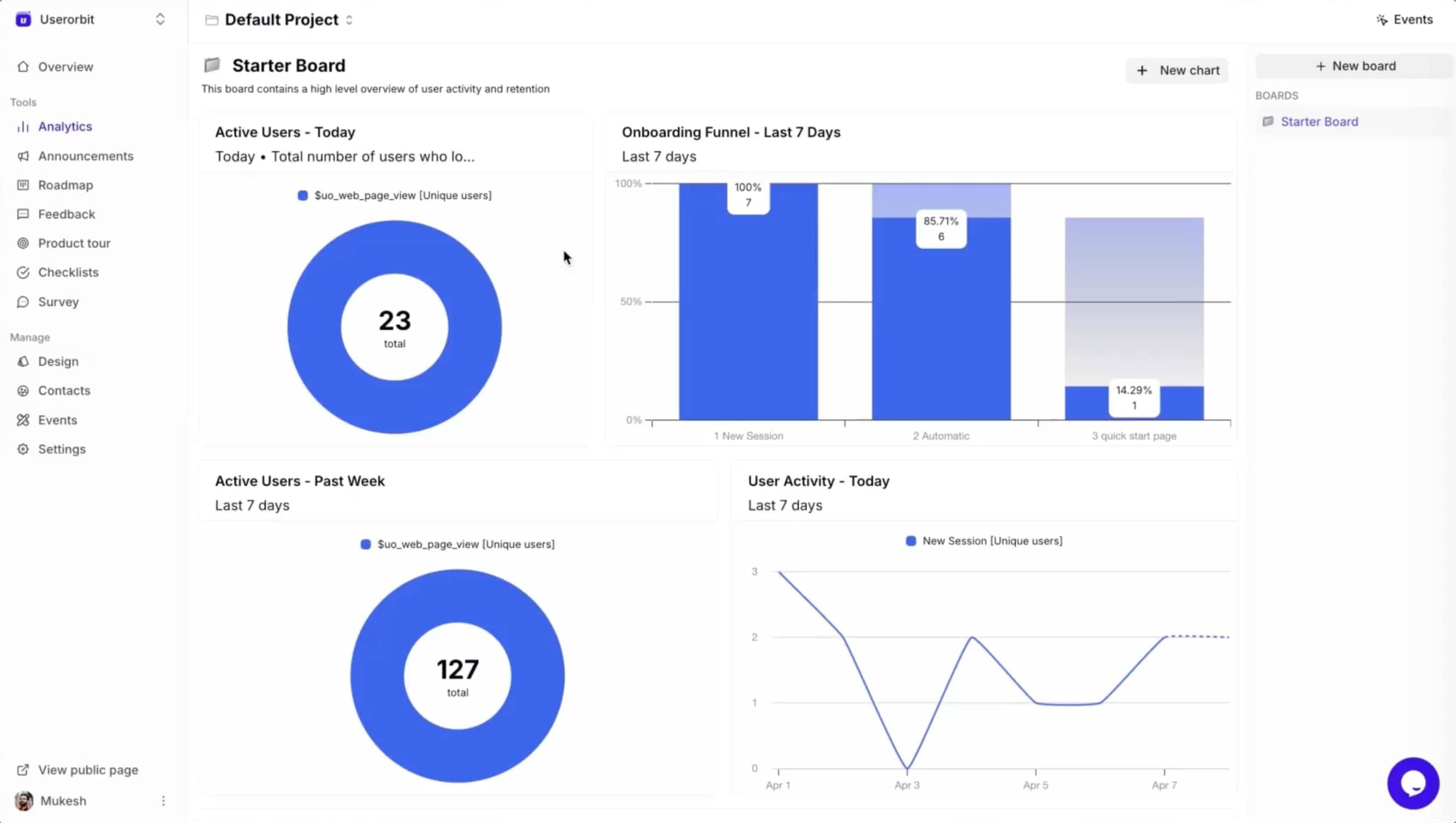
Userorbit is the strongest alternative for teams that want to replace WalkMe with a lighter, more product-led stack. Instead of centering enterprise workflow complexity, it focuses on helping SaaS teams improve activation and adoption directly inside the product.
Product experience platform for modern teams
Why Userorbit is a strong replacement
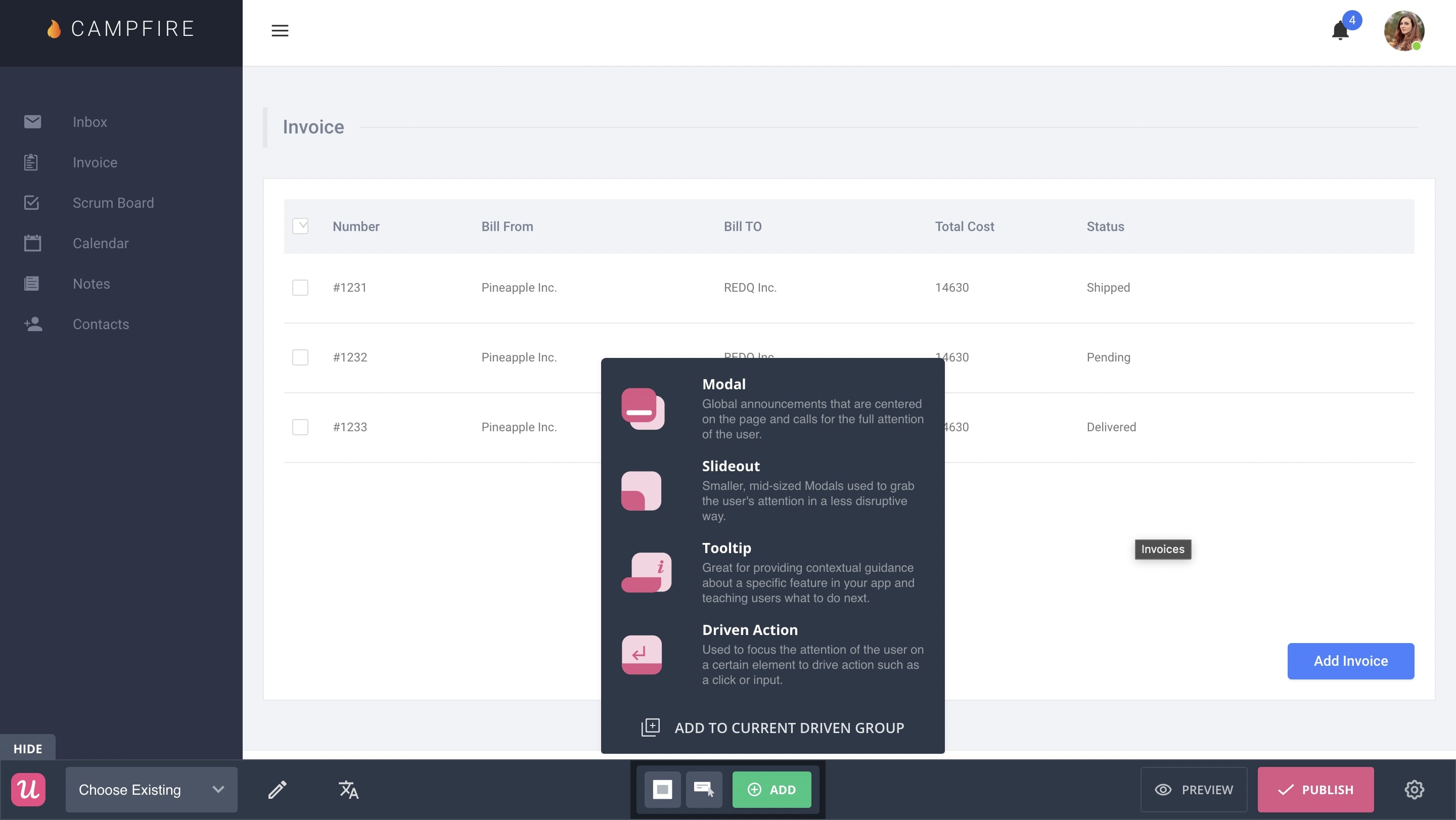
- no-code tours and onboarding flows
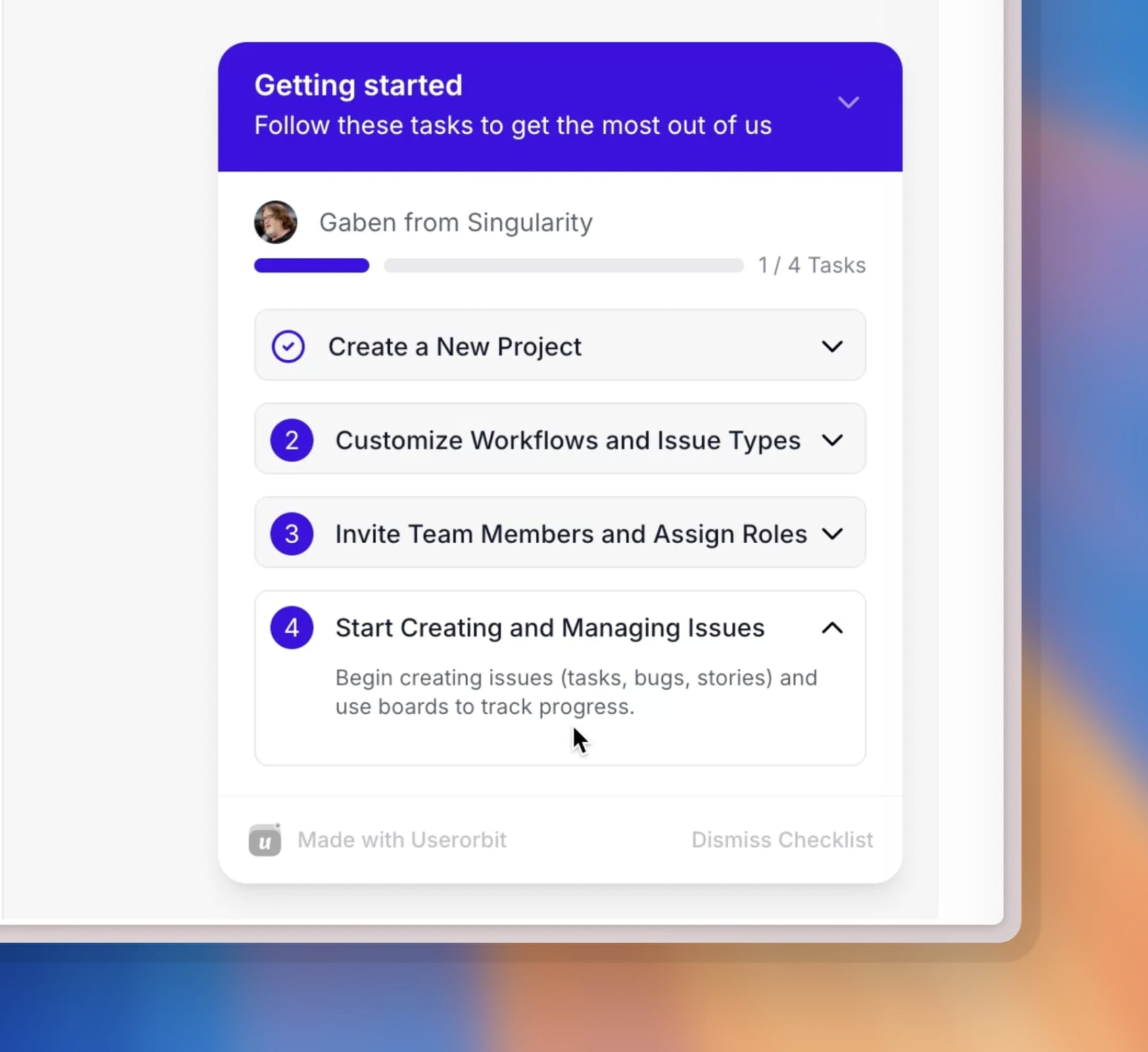
- checklists for activation journeys
- announcements and in-app messaging
- surveys and feedback collection
- product adoption analytics without heavy enterprise overhead
- pricing and setup that fit leaner SaaS teams
Best for
Product, growth, and customer teams that want one place to manage onboarding, feature education, and feedback loops.
Where it wins vs WalkMe
Userorbit is easier to justify when your goal is customer activation, not enterprise change management.
Need a WalkMe alternative built for product-led growth?
2. Userpilot - Best for Analytics + Onboarding Balance
Userpilot is a good choice for teams that want stronger onboarding plus more product insight than a simple tour builder provides.
Strengths
- no-code onboarding experiences
- good segmentation and targeting
- stronger analytics than many lightweight tools
- useful for teams that want onboarding tied to product usage patterns
Best for
Mid-market SaaS teams that want a balance of onboarding flexibility and measurable product adoption.
Tradeoff
It can become more expensive as needs grow, but it remains far more practical than WalkMe for many product-led teams.
3. Appcues - Best for Multi-Channel User Engagement
Appcues is a mature option for teams that think beyond tours and want onboarding connected to a broader engagement motion.

Strengths
- polished UI patterns
- good in-app messaging workflows
- strong fit for lifecycle communication
- helpful for teams combining onboarding with product education and expansion messaging
Best for
SaaS companies running more mature lifecycle programs across onboarding and engagement.
Tradeoff
Appcues is still not a budget tool, but it is typically more aligned with SaaS onboarding use cases than WalkMe.
4. Pendo - Best for Enterprise Product Teams That Still Need Analytics Depth
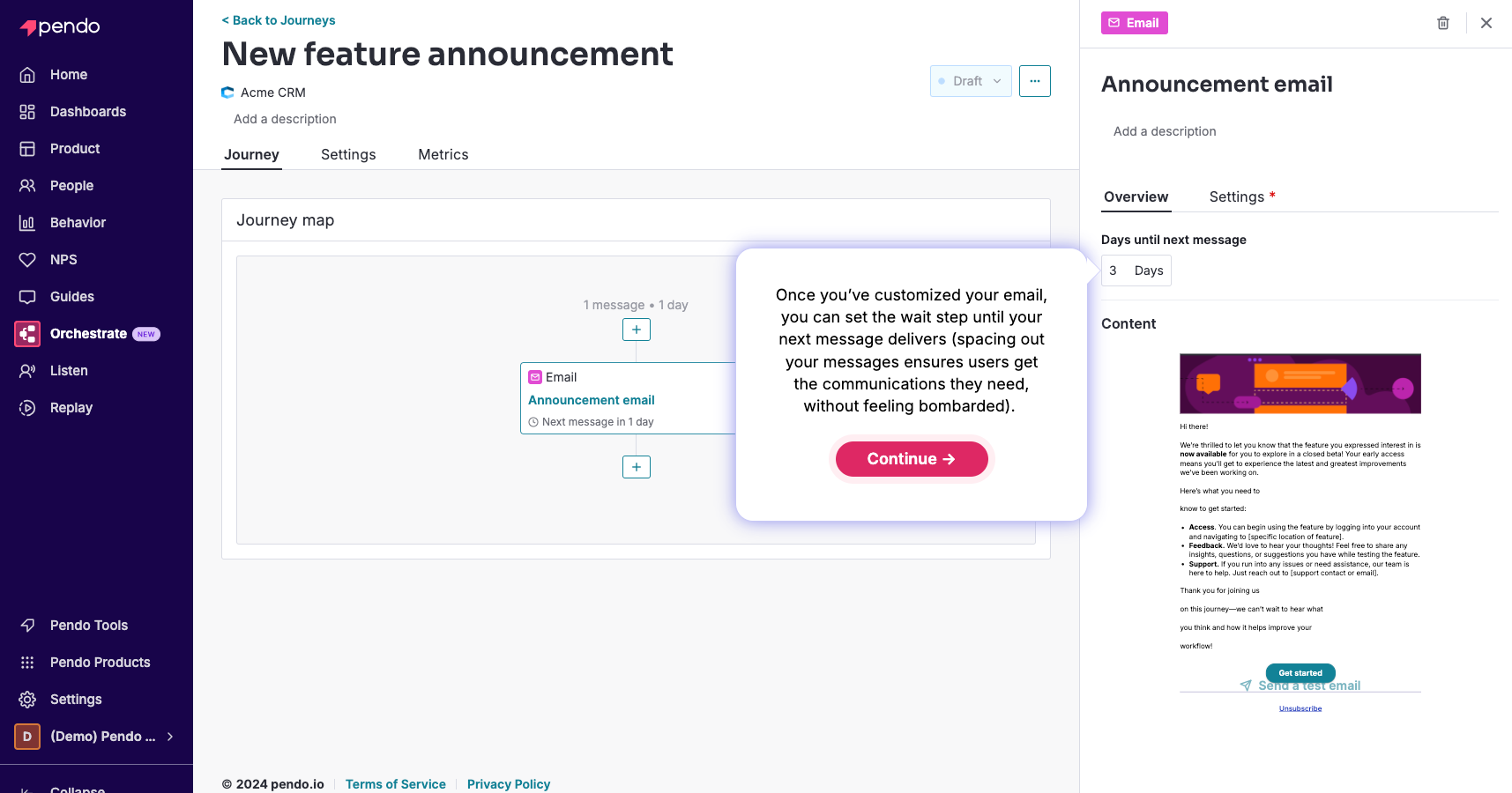
If you are leaving WalkMe but still want a larger platform footprint, Pendo is often the next comparison. It offers product analytics, in-app guidance, and feedback capabilities in a broad enterprise package.
Strengths
- deeper analytics than many onboarding-first platforms
- strong enterprise credibility
- broad suite for larger product organizations
Best for
Bigger SaaS organizations that still want enterprise tooling, but with stronger product analytics orientation.
Tradeoff
Pendo can still be expensive and heavy. It is usually better than WalkMe for product analytics use cases, but not necessarily lighter in budget.
5. Chameleon - Best for Highly Customized In-App Experiences
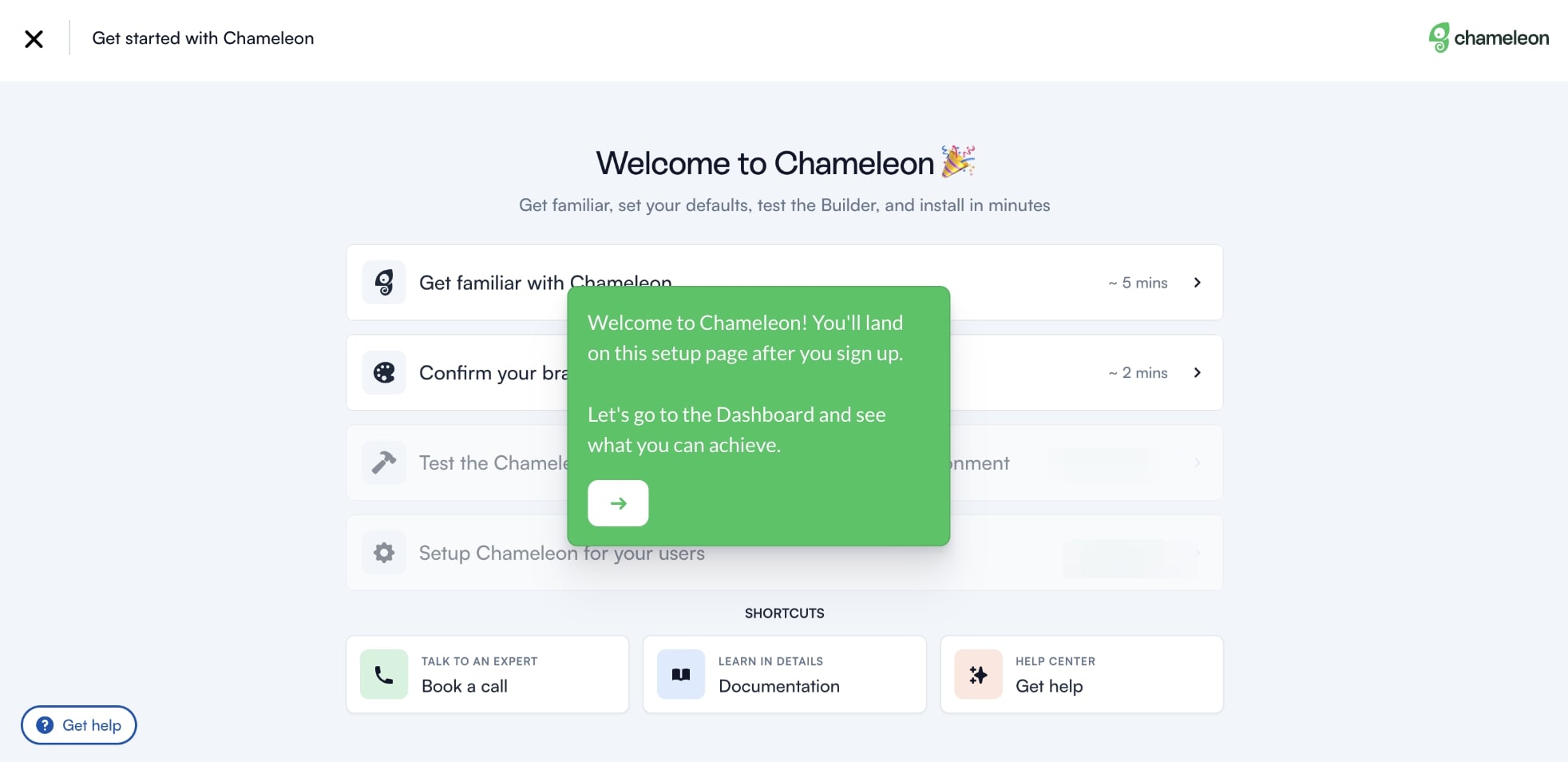
Chameleon is a good alternative when your team cares deeply about brand feel, UX polish, and more tailored in-app onboarding.
Strengths
- strong customization options
- better fit for product-native experiences
- flexible targeting and experimentation support
Best for
Teams that want onboarding to feel like part of the product, not an external enterprise layer.
Tradeoff
Advanced customization may require more technical effort than simpler no-code tools.
6. Userflow - Best for Fast Web Onboarding
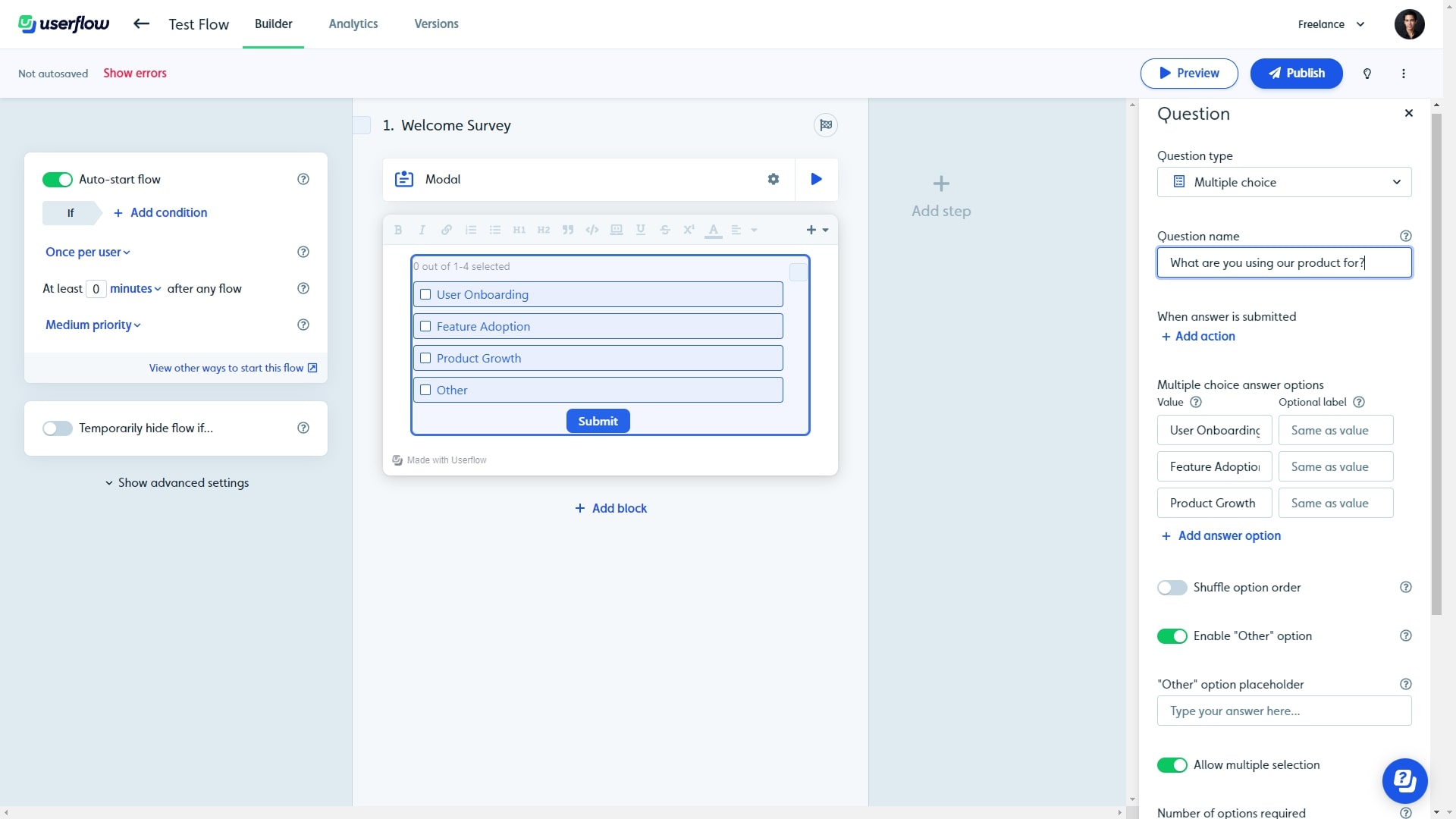
Userflow is a good option for companies that want to get off a heavy platform and move to something simpler.
Strengths
- approachable builder
- fast setup
- practical for web onboarding and checklists
Best for
Teams that want a clean, fast, web-first onboarding tool without buying a large platform.
Tradeoff
If you need deeper analytics, mobile support, or a broader adoption workflow, Userflow may feel limited later.
7. UserGuiding - Best Budget-Friendly Alternative
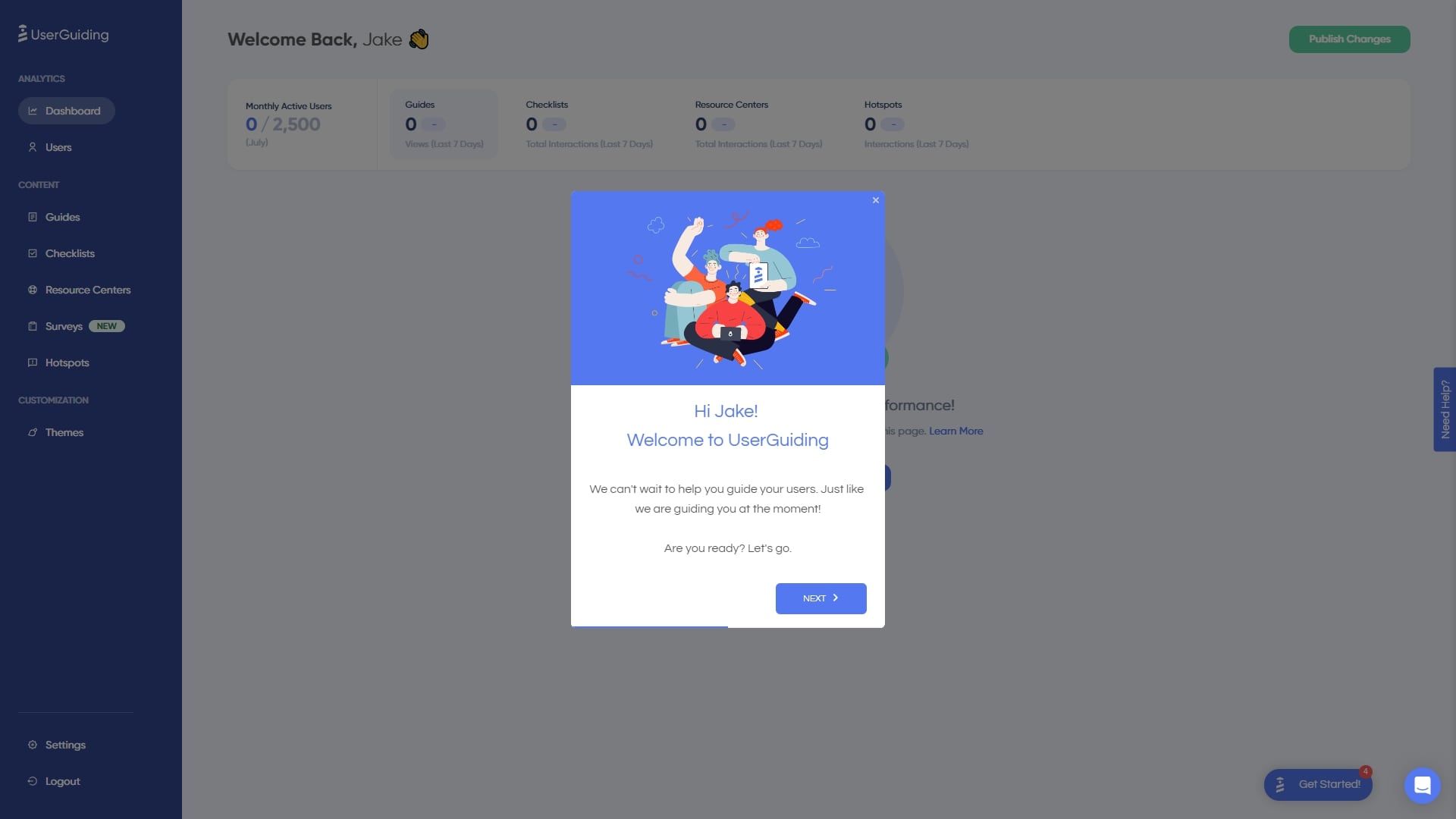
UserGuiding offers a lot of core onboarding functionality at a more accessible price point.
Strengths
- good value for smaller teams
- core onboarding patterns covered
- easy for non-technical teams to use
Best for
Startups and SMBs replacing enterprise complexity with something much lighter.
Tradeoff
It will not match enterprise suites on advanced reporting or governance.
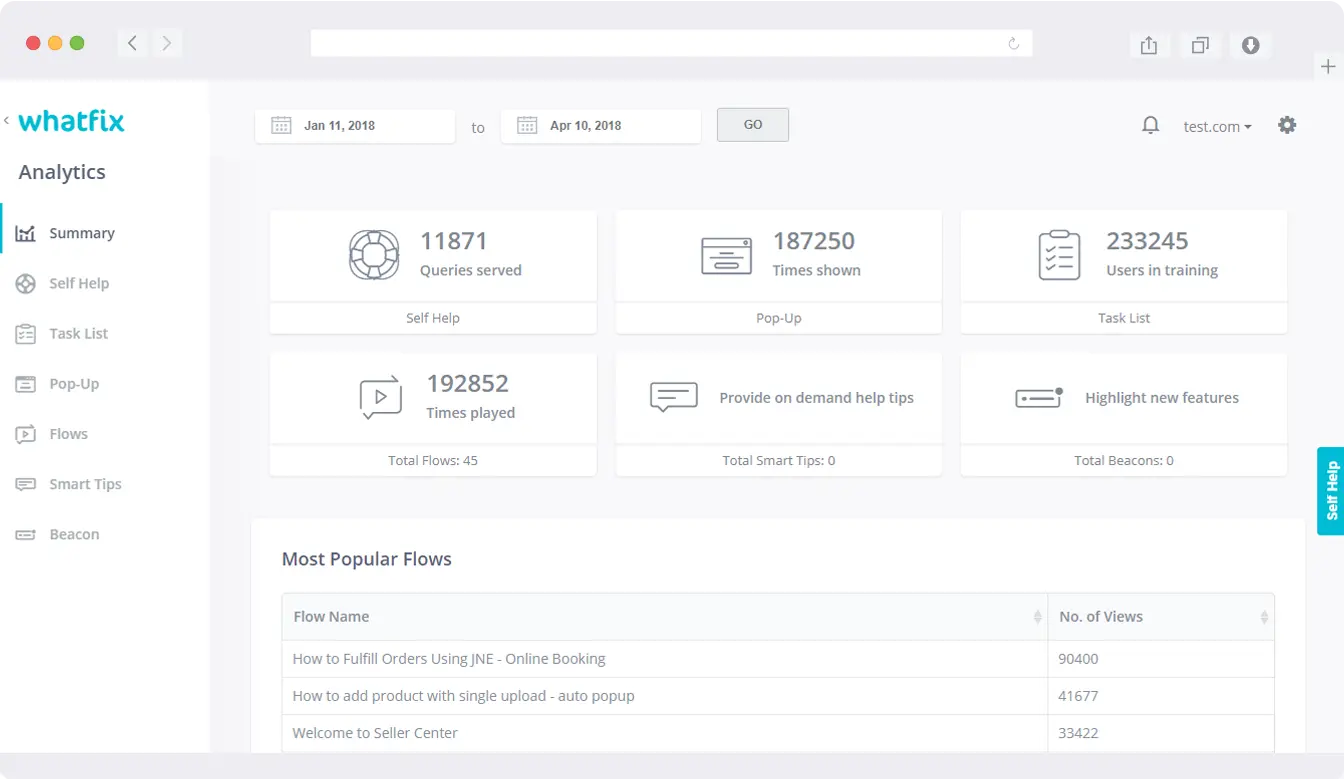
8. Whatfix - Best for Teams That Still Need Enterprise Support Use Cases
Whatfix is the closest alternative when the organization still needs enterprise workflow support and training, but wants a different vendor than WalkMe.
Strengths
- strong process guidance
- enterprise enablement capabilities
- helpful for internal software onboarding
Best for
Organizations with heavy employee enablement or process training needs.
Tradeoff
For classic product-led SaaS onboarding, it can still be more platform than necessary.
Side-by-Side Comparison
| Platform | Best for | Product-led fit | Complexity | Pricing fit |
|---|---|---|---|---|
| Userorbit | SaaS activation and adoption | High | Low to medium | Strong |
| Userpilot | Onboarding + analytics balance | High | Medium | Good |
| Appcues | Multi-channel engagement | High | Medium | Medium |
| Pendo | Enterprise product orgs | Medium | High | Lower for SMBs |
| Chameleon | Custom in-app UX | High | Medium | Medium |
| Userflow | Fast web onboarding | High | Low | Good |
| UserGuiding | Budget-conscious teams | High | Low | Strong |
| Whatfix | Enterprise enablement | Low to medium | High | Lower for SMBs |
Which WalkMe Alternative Is Best for Your Team?
Choose Userorbit if you want
- a lighter alternative built for product adoption
- tours, checklists, announcements, and feedback in one place
- faster onboarding experiments without enterprise drag
- a stack better aligned with PLG teams
Choose Userpilot if you want
- a strong middle ground between onboarding and analytics
- more measurement depth than simpler tools
- a mature SaaS-friendly product motion
Choose Appcues if you want
- polished onboarding experiences
- lifecycle messaging around the product journey
- a more mature engagement platform for SaaS teams
Choose Pendo if you want
- broader analytics depth
- stronger enterprise comfort
- a large platform footprint for product teams
Choose Userflow or UserGuiding if you want
- simpler onboarding fast
- lower cost and faster setup
- a more straightforward alternative to enterprise suites
FAQ
What is the best WalkMe alternative for SaaS teams?
For most product-led SaaS companies, Userorbit is the best overall alternative because it focuses on activation and adoption rather than enterprise transformation complexity.
What is cheaper than WalkMe?
Most SaaS-focused tools are easier to justify financially than WalkMe. Userorbit, UserGuiding, Userflow, and Userpilot are all commonly considered because they fit SaaS growth stages better.
Is Pendo better than WalkMe?
For product analytics and SaaS onboarding use cases, many teams find Pendo more aligned than WalkMe. But Pendo can still be heavy and expensive compared to more product-led alternatives.
What should startups use instead of WalkMe?
Startups usually want a lighter adoption platform. Userorbit, UserGuiding, and Userflow are usually far better fits than a transformation-grade enterprise tool.
Final Verdict
WalkMe is excellent at what it was built for. The problem is that many SaaS teams were never trying to buy that kind of system.
If your company needs large-scale workflow guidance across complex enterprise environments, WalkMe is still relevant.
But if you are a product-led SaaS team trying to improve activation, reduce friction, and launch onboarding quickly, there are better options.
Userorbit is the best overall WalkMe alternative for product-led teams because it replaces enterprise heaviness with a practical adoption stack: tours, checklists, announcements, surveys, and feedback workflows that map directly to activation.
If you want more analytics depth, Userpilot is a strong option. If you want a mature engagement layer, Appcues deserves a close look. If you still need enterprise scale, Pendo remains in the conversation.
The key is to buy for your actual bottleneck. Product-led teams rarely need digital transformation theater. They need faster user activation.
Replace WalkMe with a lighter product adoption stack
Userorbit helps SaaS teams improve onboarding, feature adoption, and user engagement without enterprise drag.