










Whatfix is a well-known name in digital adoption because it does a hard job well: helping organizations guide users through complex software, training flows, and process-heavy digital environments.
That is exactly why many growing SaaS teams start searching for alternatives.
When you are running a product-led company, the core challenge is rarely "how do we train employees across a maze of internal systems?" It is usually something simpler and more urgent:
- how do we get trial users to activation faster?
- how do we explain new features in context?
- how do we reduce drop-off during onboarding?
- how do we collect feedback without adding more tools?
For those jobs, Whatfix can feel too enterprise-oriented, too implementation-heavy, or too expensive relative to what a SaaS team actually needs.
This guide compares the best Whatfix alternatives for growing SaaS teams in 2026, with a focus on onboarding, product adoption, and practical time-to-value.
Why Teams Look for Whatfix Alternatives
1. Whatfix is often optimized for enterprise process guidance
Whatfix is strong when companies need:
- internal software adoption
- employee training and enablement
- guided workflows across multiple systems
- structured process support at scale
Those are legitimate needs. But they are not the same as product-led onboarding.
A SaaS team usually needs a platform that helps customers move through activation journeys inside a product, not a broad enterprise enablement layer.
2. Implementation can be more involved than growing teams want
Fast-growing teams care about iteration speed. They want to launch flows, test hypotheses, and refine messaging without a long operational cycle.
If a platform is powerful but slow to operationalize, the real cost is not just software spend. It is delayed learning.
3. Enterprise pricing is hard to justify early
Whatfix can make sense for larger organizations where digital adoption is tied to broad software ROI. For startups and mid-market SaaS companies, the same price point can feel disconnected from actual onboarding needs.
4. Teams want broader product adoption workflows
A lot of teams no longer want only guided steps. They want a platform that also supports:
- announcements
- checklists
- surveys
- feedback loops
- lightweight adoption analytics
That broader workflow is where many Whatfix alternatives feel more practical for SaaS companies.
What to Look For in a Whatfix Alternative
If you are evaluating replacements, focus on whether the platform helps your team do this efficiently:
- launch tours, guides, and checklists quickly
- target onboarding by role, segment, or lifecycle stage
- measure activation progress and flow completion
- announce features in context
- collect feedback without another separate tool
- support both product and customer teams without heavy engineering
In short, the best Whatfix alternative for SaaS is usually not the most powerful enterprise platform. It is the one that helps a lean team improve activation the fastest.
Best Whatfix Alternatives
1. Userorbit - Best Overall for Product Adoption and Activation
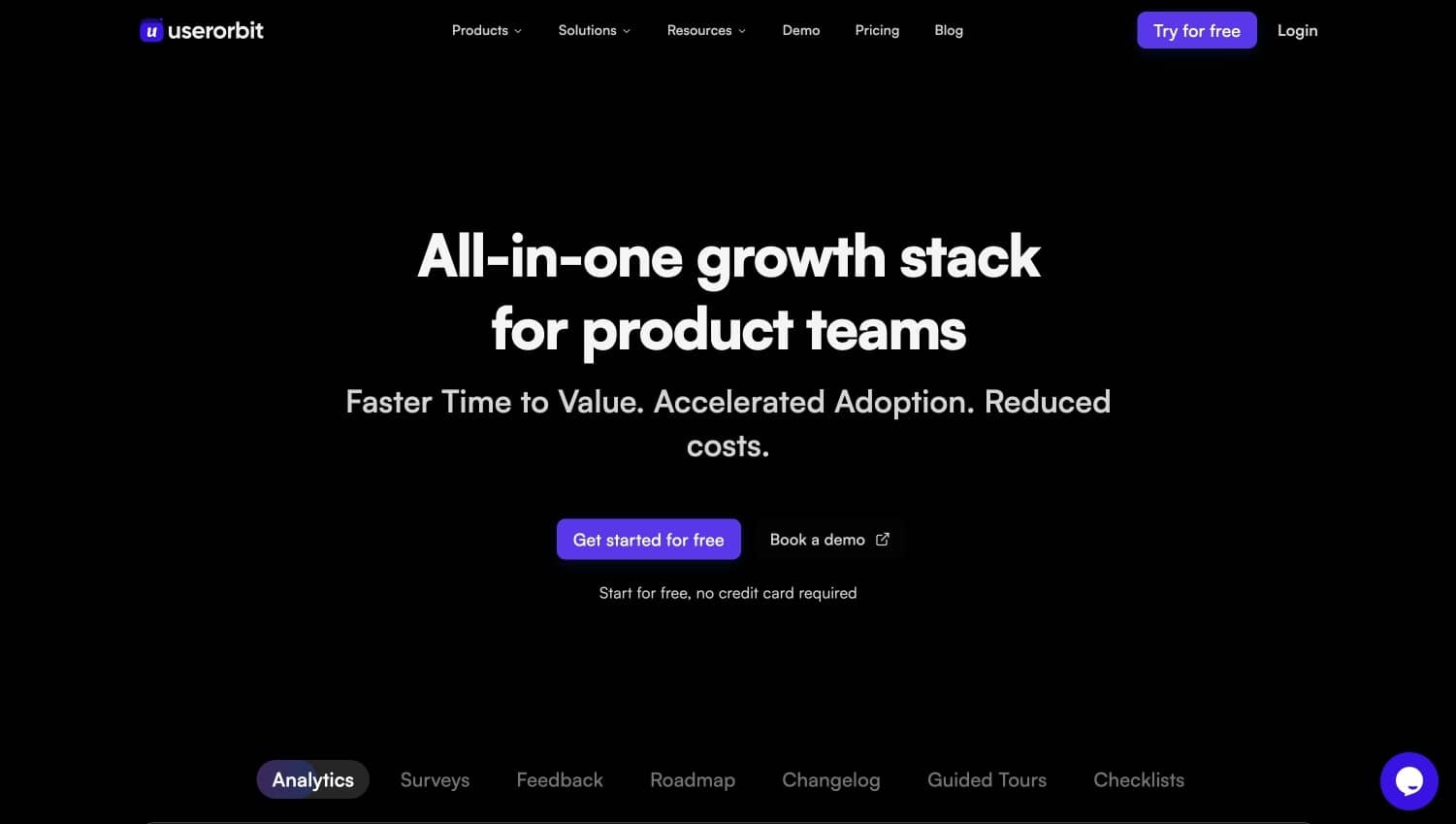
Userorbit is the strongest Whatfix alternative for growing SaaS teams because it is built around product adoption, not enterprise change management.
Instead of asking teams to buy a broad enterprise enablement platform, it gives them the tools they usually need most:
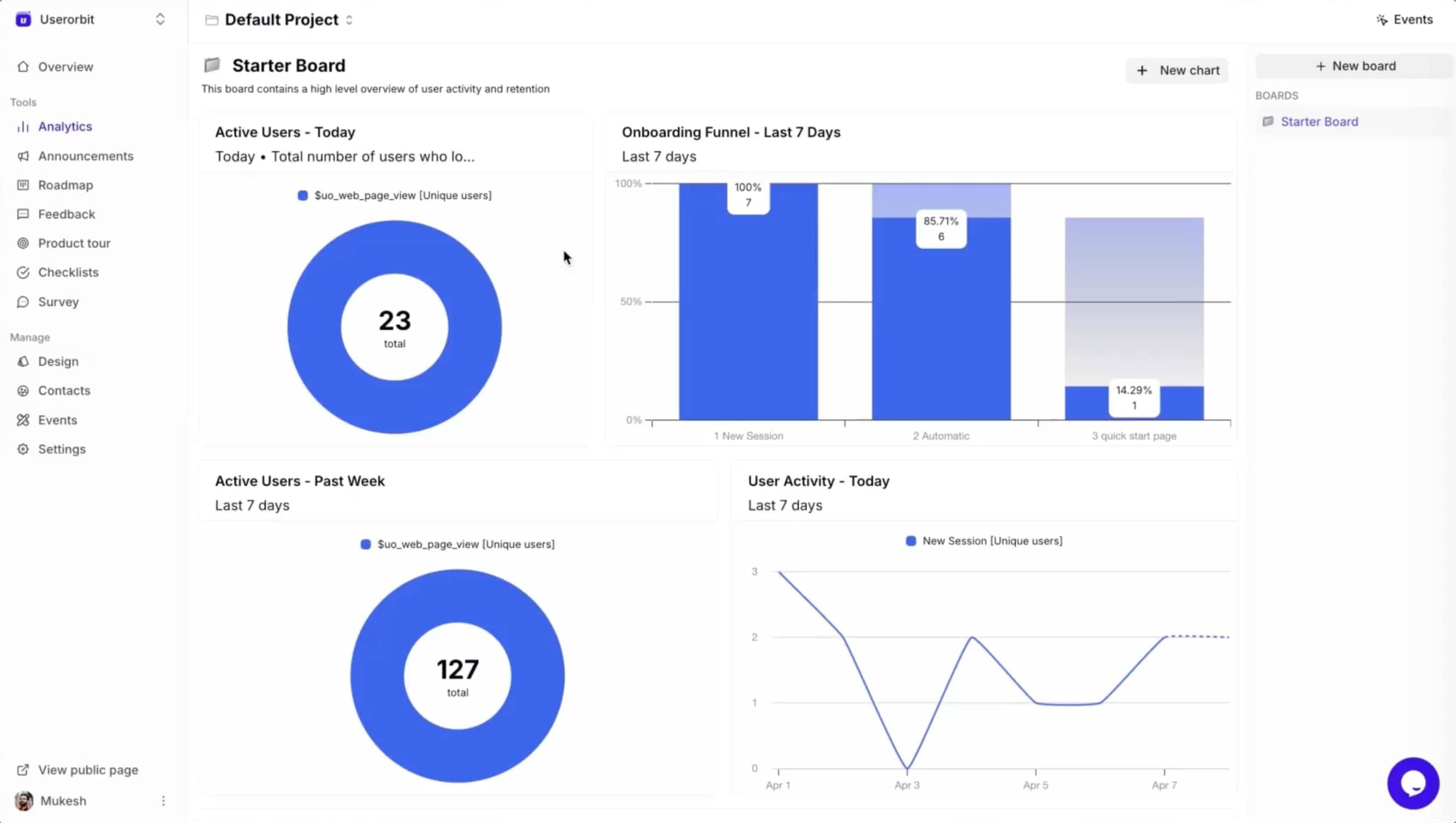
Product experience platform for modern teams
- no-code onboarding flows
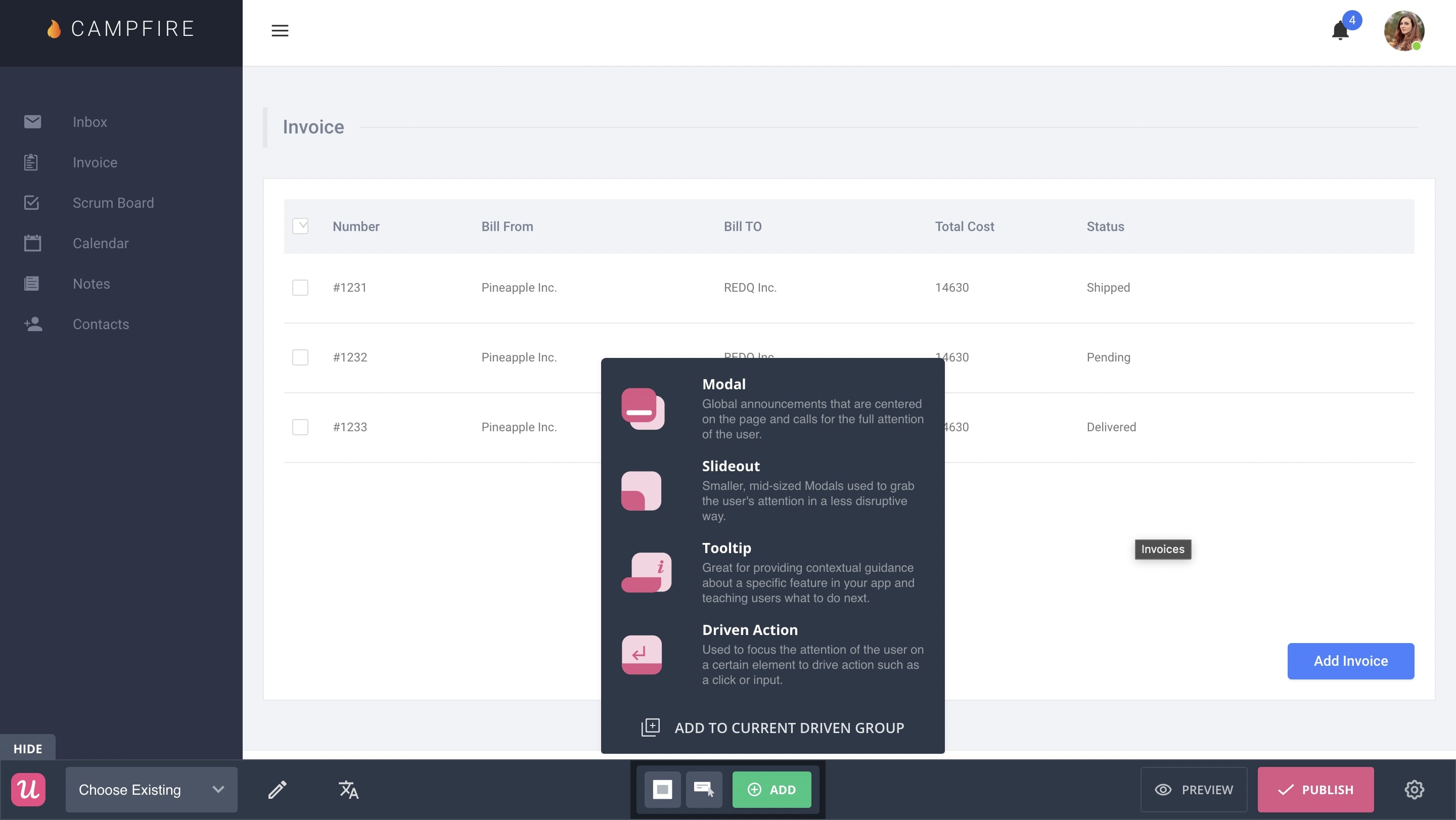
- product tours and guided experiences
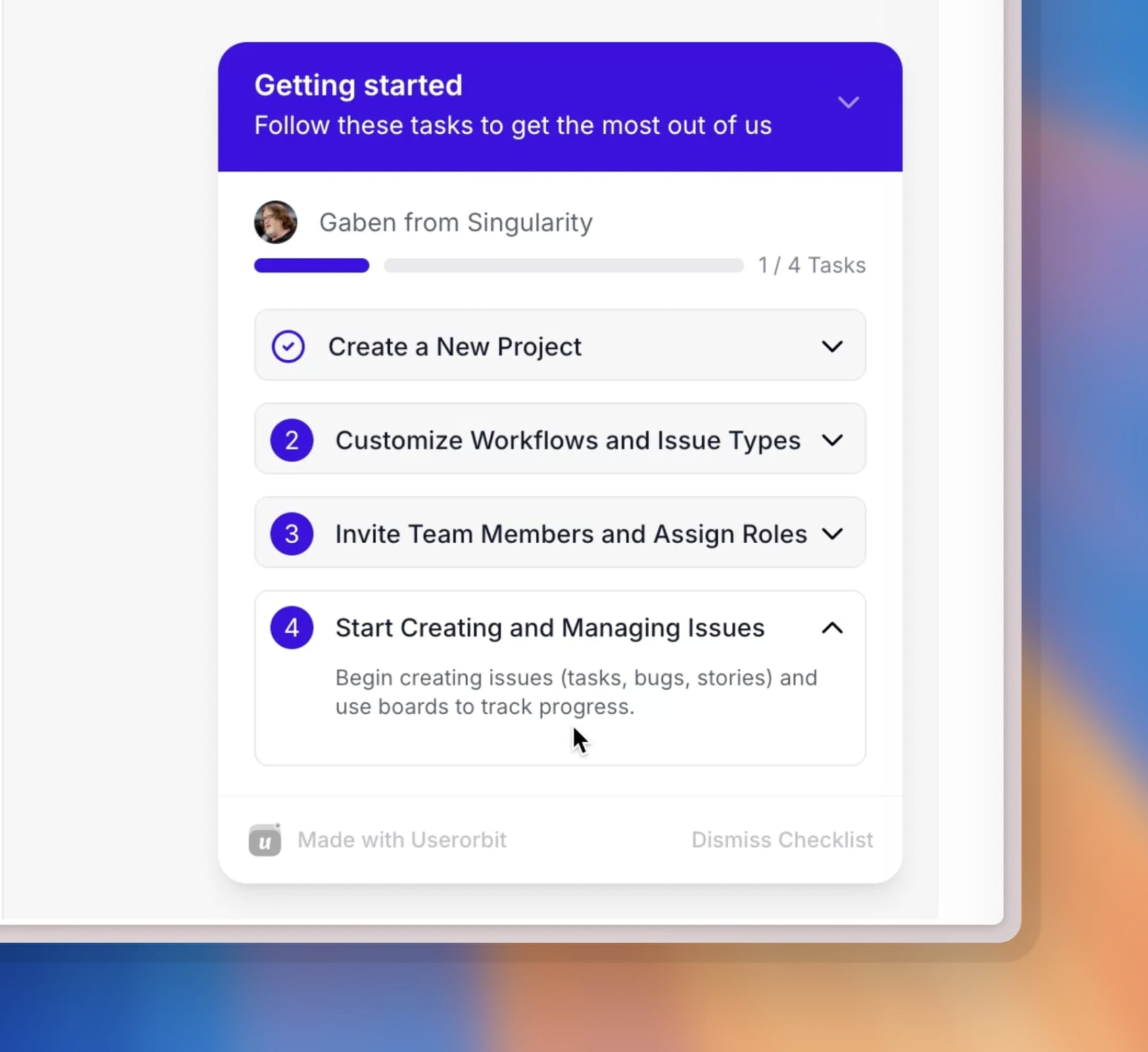
- onboarding checklists
- announcements and in-app messaging
- surveys and feedback collection
- adoption analytics aligned to activation work
Why Userorbit stands out
The biggest difference is fit. Userorbit maps well to how product-led teams actually work. Product, growth, and customer teams can launch guidance, announce features, collect feedback, and improve activation from one place.
Best for
Growing SaaS teams that want to improve trial conversion, onboarding completion, and feature adoption without taking on enterprise-weight software.
Want a Whatfix alternative built for SaaS activation?
2. Userpilot - Best for Teams That Want More Analytics With Onboarding
Userpilot is a strong option for teams that want robust onboarding plus more behavioral insight than a basic tour tool can provide.
Strengths
- strong no-code onboarding builder
- good segmentation and user targeting
- better analytics than many SMB-focused tools
- strong fit for product teams iterating on activation
Best for
Teams that want a mix of onboarding depth and product analysis without moving all the way up to heavier enterprise suites.
Tradeoff
Costs can rise as usage and requirements expand, but it usually remains more aligned with SaaS onboarding than Whatfix.
3. Appcues - Best for Onboarding Plus Lifecycle Messaging
Appcues is a mature platform for teams that think about onboarding as part of a broader engagement system.

Strengths
- strong range of in-app patterns
- mature messaging workflows
- practical for announcements and lifecycle engagement
- good fit for teams that want onboarding and re-engagement together
Best for
SaaS teams building structured user journeys across onboarding, feature discovery, and product education.
Tradeoff
Appcues is still a premium platform, so the fit is strongest when teams actively use its broader engagement capabilities.
4. Pendo - Best for Larger Product Organizations
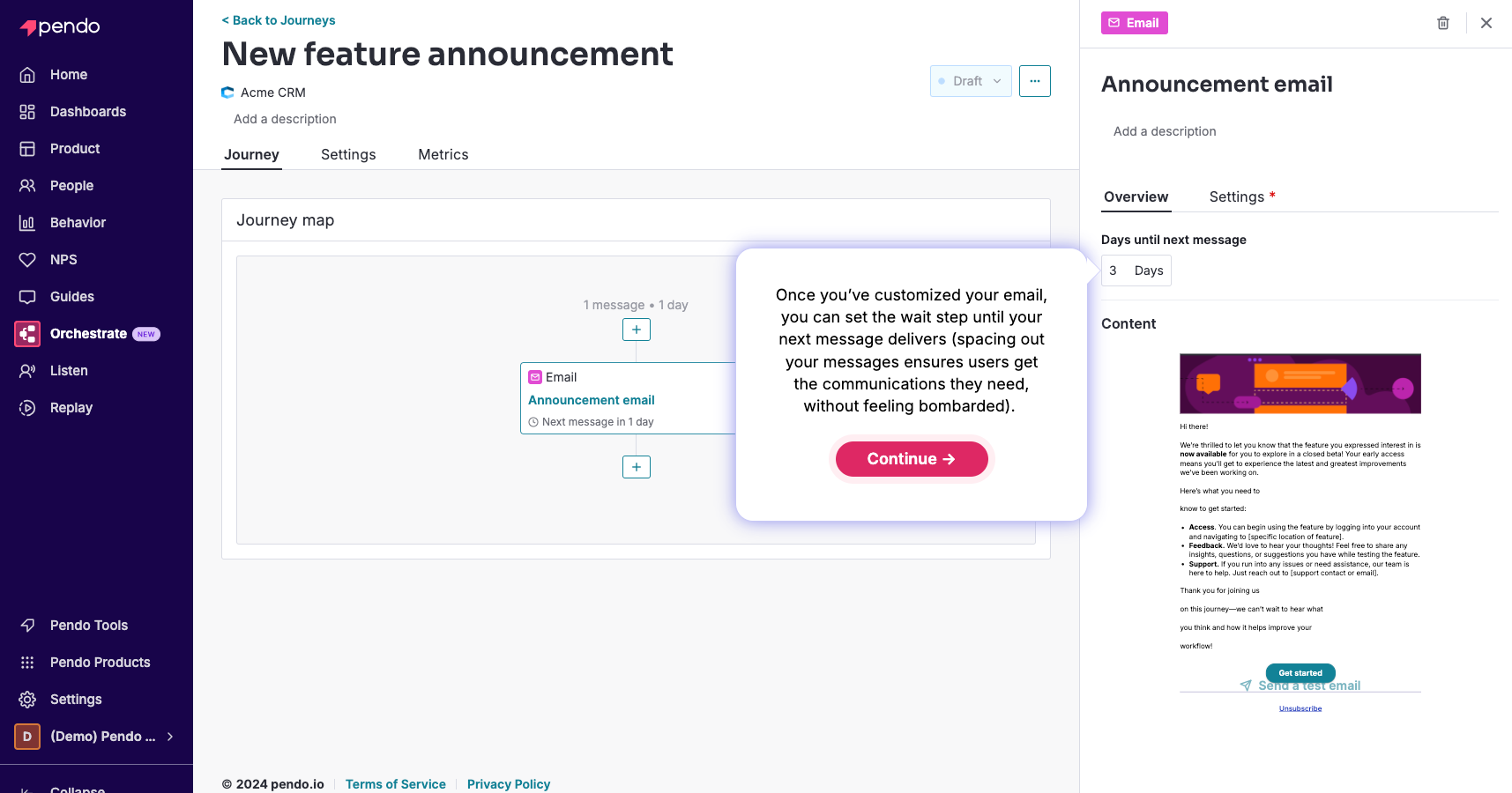
Pendo is a viable Whatfix alternative when the team still wants enterprise credibility and deeper product analytics.
Strengths
- strong product analytics footprint
- in-app guidance and feedback in one suite
- established enterprise vendor with broad capabilities
Best for
Larger product organizations that want deep analytics alongside guidance and are comfortable with heavier tooling.
Tradeoff
Pendo can still be expensive and operationally heavy for smaller SaaS teams.
5. Chameleon - Best for Product-Native Customization
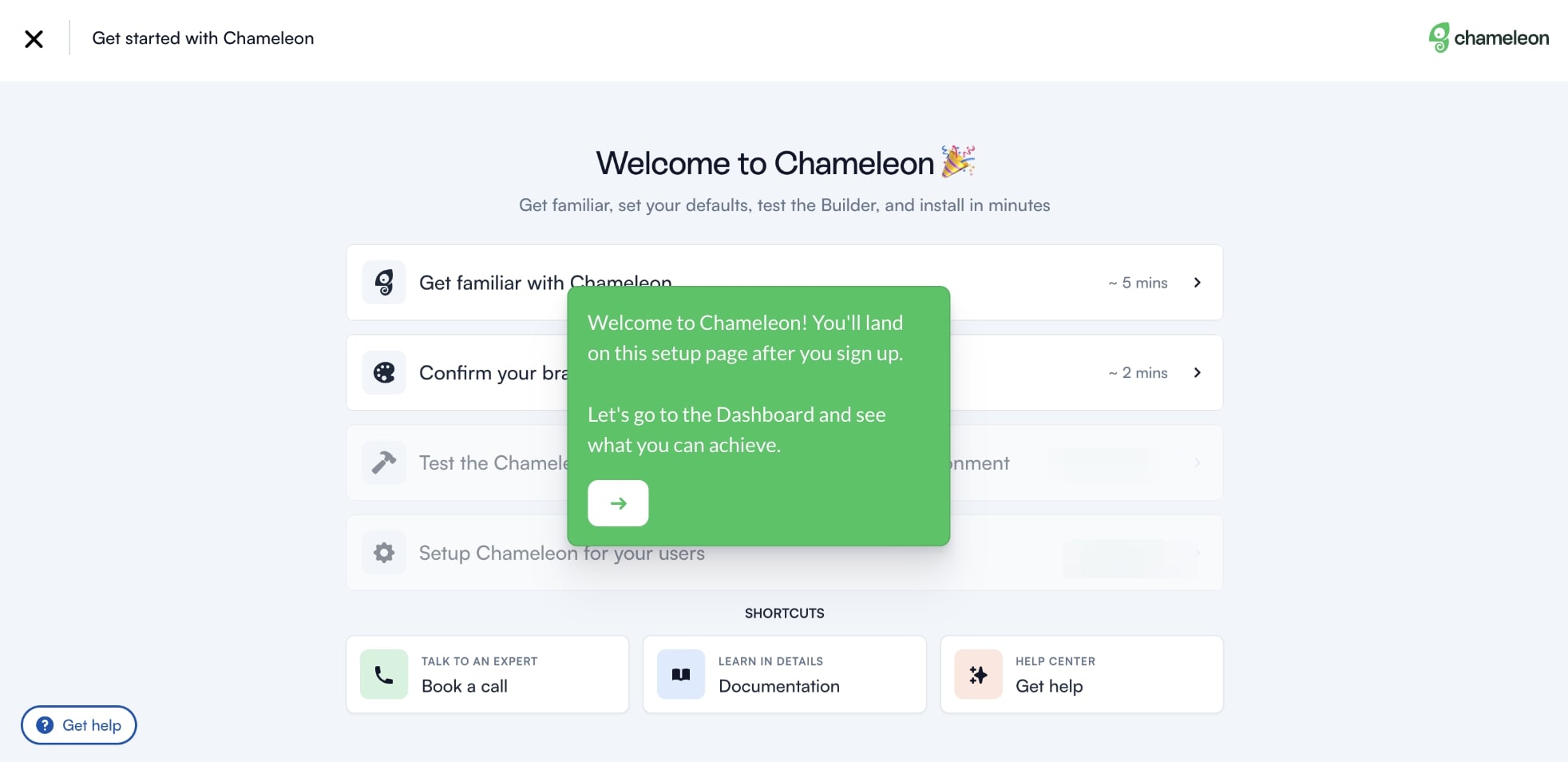
Chameleon is a strong fit for teams that care about creating onboarding experiences that feel deeply integrated with the product brand.
Strengths
- flexible in-app experience design
- stronger customization than many simpler tools
- good targeting and experimentation potential
Best for
Teams that want onboarding to feel more native and tailored.
Tradeoff
Advanced setups may require more technical involvement.
6. Userflow - Best for Simple Web App Onboarding
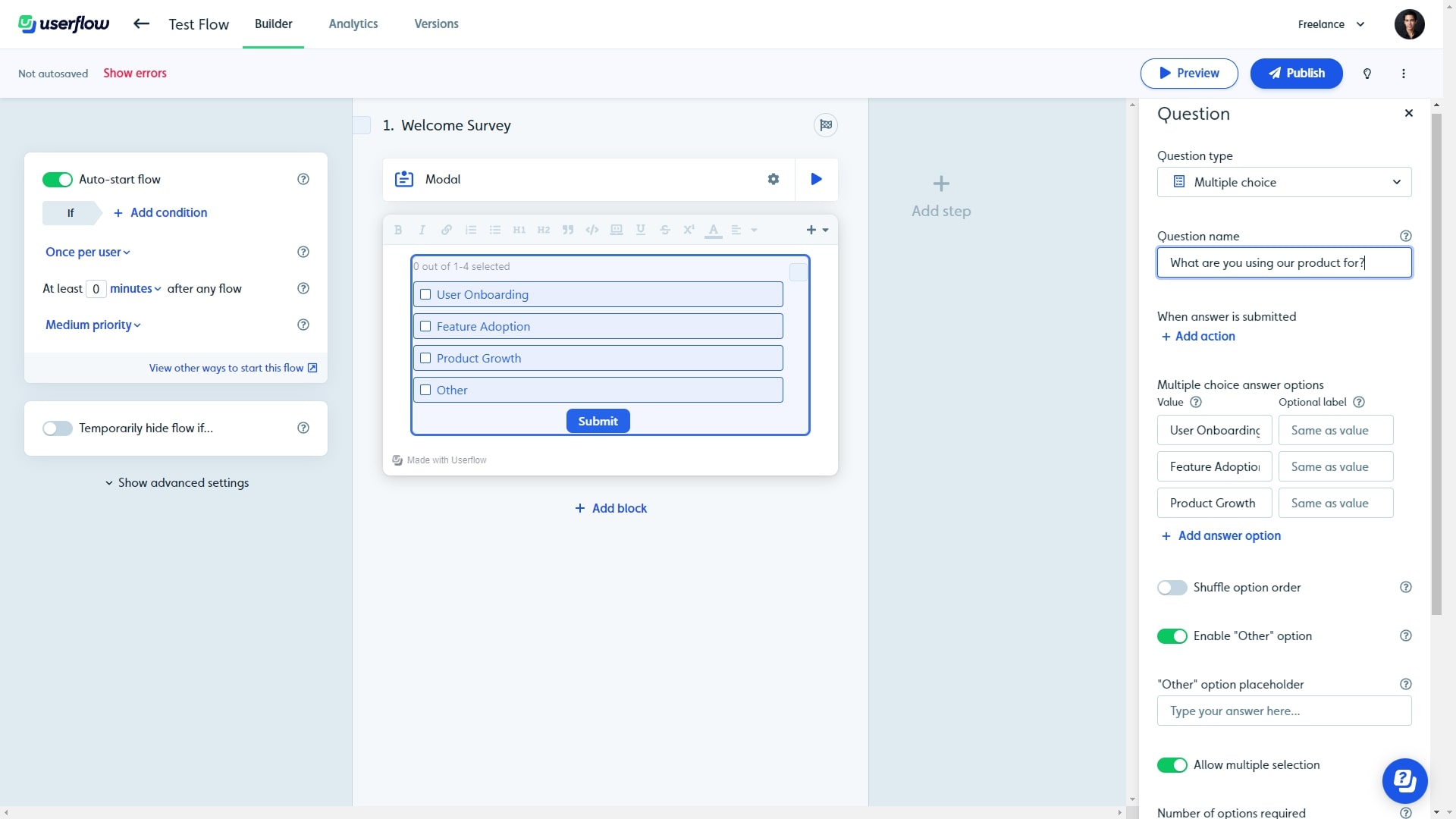
Userflow is often attractive to teams leaving heavier platforms because it removes a lot of friction.
Strengths
- simple builder
- fast implementation
- clean web onboarding experience
- useful for straightforward tours and checklists
Best for
Web-first SaaS products that want to simplify onboarding operations quickly.
Tradeoff
It may feel limited if you later need richer analytics, broader product adoption workflows, or stronger mobile support.
7. UserGuiding - Best Budget-Conscious Option
UserGuiding is a practical option for teams that want a broad core onboarding toolkit without premium enterprise costs.

Strengths
- affordable for smaller teams
- core onboarding features covered
- friendly for non-technical operators
Best for
Startups and SMBs replacing heavy platforms with something more accessible.
Tradeoff
Not as deep on analytics or enterprise-grade controls as larger platforms.
8. WalkMe - Best for Enterprise Teams Choosing Between Large Vendors
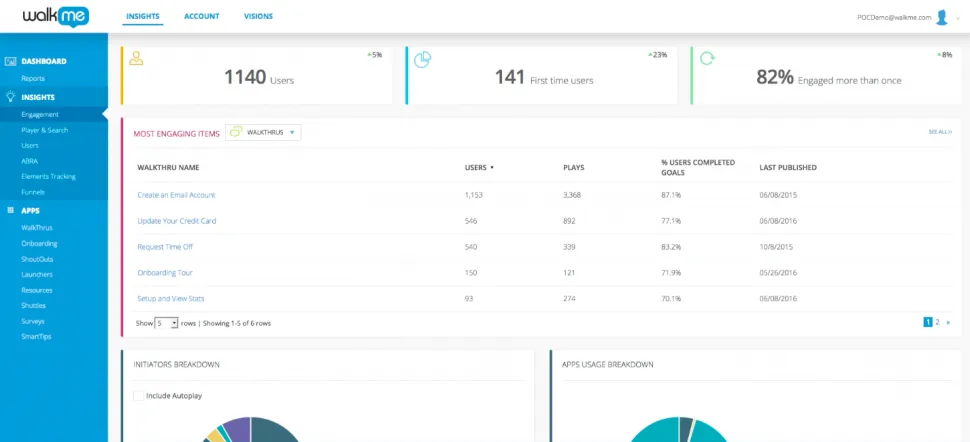
If your organization still needs an enterprise digital adoption platform but wants an alternative enterprise vendor, WalkMe remains part of the shortlist.
Strengths
- broad workflow guidance capabilities
- strong enterprise use-case coverage
- useful for internal process and training-heavy environments
Best for
Large organizations evaluating enterprise-grade digital adoption vendors.
Tradeoff
For product-led SaaS teams, it often recreates the same complexity problem that triggered the search away from Whatfix.
Comparison Table
| Platform | Best for | SaaS onboarding fit | Complexity | Value for growing teams |
|---|---|---|---|---|
| Userorbit | Activation and product adoption | High | Low to medium | Strong |
| Userpilot | Onboarding plus analytics | High | Medium | Good |
| Appcues | Lifecycle onboarding and engagement | High | Medium | Good |
| Pendo | Larger product orgs | Medium | High | Mixed |
| Chameleon | Custom product-native onboarding | High | Medium | Good |
| Userflow | Fast web onboarding | High | Low | Strong |
| UserGuiding | Budget-conscious onboarding | High | Low | Strong |
| WalkMe | Enterprise digital adoption | Low to medium | High | Lower for SMBs |
Which Alternative Should You Choose?
Choose Userorbit if you want
- a practical replacement for Whatfix built around SaaS activation
- tours, checklists, announcements, and feedback in one stack
- faster implementation and iteration
- a product that better matches lean team workflows
Choose Userpilot if you want
- stronger analytics alongside onboarding
- a balanced product/growth operating model
- more insight than simpler onboarding tools provide
Choose Appcues if you want
- onboarding tied to broader engagement and lifecycle messaging
- a mature platform with polished UX patterns
Choose Pendo if you want
- deeper product analytics
- larger platform scope
- enterprise comfort and cross-functional reporting
Choose Userflow or UserGuiding if you want
- something simpler and faster
- lower cost and easier rollout
- a clean break from enterprise-style complexity
FAQ
What is the best Whatfix alternative for SaaS teams?
For most growing SaaS companies, Userorbit is the best overall alternative because it is built around product adoption and activation rather than enterprise process enablement.
What is cheaper than Whatfix?
Most SaaS-focused onboarding platforms are easier to justify than Whatfix. Userorbit, Userflow, UserGuiding, and Userpilot are common alternatives because they fit SaaS growth-stage pricing and workflows better.
Is WalkMe better than Whatfix?
That depends on the use case. For enterprise digital adoption, both are major vendors. For SaaS onboarding, many teams find both heavier than necessary and instead choose more product-led platforms.
What should startups use instead of Whatfix?
Startups typically benefit more from lighter tools focused on activation and onboarding. Userorbit, UserGuiding, and Userflow are common fits.
Final Verdict
Whatfix is strong software. It just serves a broader and more enterprise-oriented mission than many growing SaaS teams need.
If your job is employee enablement, process guidance, and internal software adoption at scale, Whatfix still belongs in the conversation.
If your job is helping customers reach value faster inside a SaaS product, there are better-fit alternatives.
Userorbit is the best overall Whatfix alternative for growing SaaS teams because it focuses on the real goals that matter in product-led growth: onboarding completion, feature adoption, activation, and continuous user feedback.
If you want more analytics depth, Userpilot is a strong option. If you want broader engagement workflows, Appcues is worth a close look. If you still need a larger enterprise analytics layer, Pendo may fit better.
The right move is not to replace Whatfix with another heavy platform by default. It is to choose the tool that matches your actual growth bottleneck.
Swap Whatfix for a product adoption stack built for growth
Userorbit helps SaaS teams launch onboarding, guide users to value, and collect feedback without enterprise drag.